


What are the three types of centrifugal pumps?
Views: 0 Author: Site Editor Publish Time: 2025-11-21 Origin: Site


Centrifugal pumps are among the most widely used pumping solutions across industries. Their efficient design, versatility, and ability to handle a wide range of fluids make them essential in water supply, chemical processing, marine operations, and industrial manufacturing. Understanding the different types of centrifugal pumps and their configurations helps engineers, facility managers, and operators choose the right solution for specific needs. In this article, we explore the key types of centrifugal pumps, their advantages, applications, and factors to consider when selecting the right pump for your operation.
Key Features and Advantages of Centrifugal pumps
A centrifugal pump uses a rotating impeller to push fluid. The impeller spins fast, converting motor energy into fluid motion. This motion increases velocity and pressure. The pump directs the fluid into pipes, systems, or tanks.
Efficient and reliable: Can move large volumes of fluid with minimal energy loss.
Simple design: Fewer moving parts mean easier maintenance.
Versatile applications: From water supply to chemical and marine processes.
Low maintenance costs: Easy inspection and replacement of impellers and seals.
Adaptable flow and pressure: Works for low and high-pressure systems.
Compact options available: Vertical or close-coupled designs save space.
Centrifugal pumps are ideal for clean or moderately dirty fluids. They can operate in different industries and handle various temperatures and pressures.
The Three Types of Centrifugal Pumps
Centrifugal pumps are often categorized by stage, orientation, or design. Each type has distinct features, advantages, and suitable applications.
1. Single-Stage Centrifugal Pumps
Single-stage pumps have one impeller, making them simple, compact, and easy to maintain. They are best for low to moderate pressure applications where large flow rates are required.
Advantages
Simple and reliable design, easy for operators
High flow rates suitable for large volume transfers
Cost-effective compared to multi-stage pumps
Handles clean water, light oils, and mild chemicals efficiently
Low maintenance requirements; quick inspection and part replacement
Limitations
Limited pressure generation, not suited for high-head applications
Less effective for very viscous or abrasive fluids
Cannot achieve cumulative pressure like multi-stage pumps
Typical Applications
Municipal water supply: Distributing water to homes and businesses
HVAC circulation systems: Pumping chilled or heated water
Agricultural irrigation: Greenhouses, farms, and large fields
Boiler feed systems: Low to medium pressure water supply
Drainage and dewatering: Clean or slightly contaminated water
| Feature | Description |
|---|---|
| Impellers | 1 |
| Pressure Range | Low to moderate |
| Flow Rate | High |
| Maintenance | Easy; minimal downtime for routine checks |
| Materials | Stainless steel, cast iron, or alloys |
| Ideal Fluids | Clean water, low-viscosity oils, mild chemicals |
2. Multi-Stage Centrifugal Pumps
Multi-stage centrifugal pumps feature two or more impellers arranged in series. Each impeller increases the fluid’s pressure incrementally, making them ideal for high-pressure or high-head applications. They are commonly used where fluids must be pumped over long distances or lifted to higher elevations.
Advantages
Generates high pressures for challenging applications
Handles moderately viscous liquids efficiently
Suitable for long-distance fluid transfer
Can be customized for different fluids and temperatures
Improved efficiency at medium to high heads
Limitations
Higher initial cost compared to single-stage pumps
More complex design; requires careful alignment and monitoring
Maintenance is more involved: impeller inspection, shaft alignment, and seal replacement
Not optimal for very low-pressure or simple flow applications
Typical Applications
Boiler feed systems: Supplying high-pressure water to industrial boilers
Water treatment plants: Filtration, purification, and chemical dosing systems
Oil refineries: High-pressure transfer of liquids between process units
High-pressure industrial processes: Manufacturing operations requiring consistent pressure
Long-distance pumping: Moving water or chemicals over pipelines spanning hundreds of meters
| Feature | Description |
|---|---|
| Impellers | 2+ |
| Pressure Range | Medium to high |
| Flow Rate | Moderate |
| Maintenance | Moderate; requires careful monitoring |
| Materials | Stainless steel, cast iron, alloys |
| Ideal Fluids | Water, oils, chemicals, moderately viscous fluids |
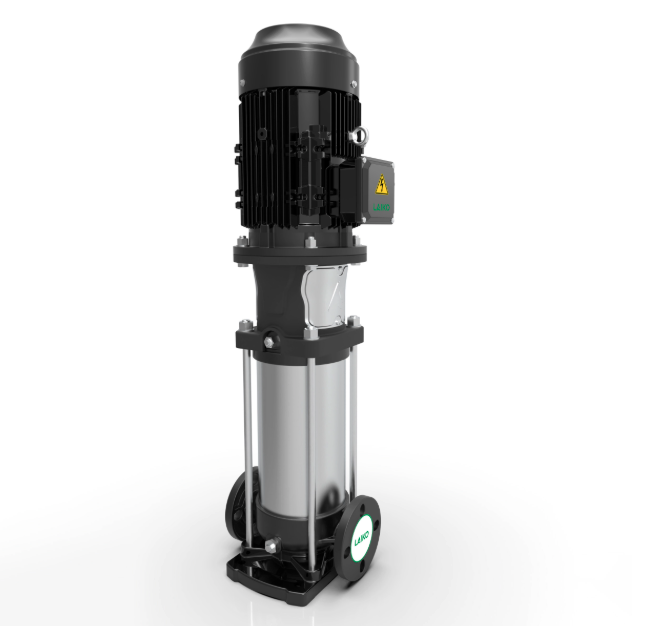
3. Vertical Centrifugal Pumps
Vertical centrifugal pumps feature a shaft that points downward, separating the pump impellers from the motor. This design is ideal for limited floor space, flooding-prone areas, or sump installations. They are widely used when fluid is stored in tanks, wells, or reservoirs, and the motor needs protection from the pumped liquid.
Advantages
Compact design saves floor space
Motor stays outside pumped fluid, protecting it from high temperature or hazardous chemicals
Can handle hot, corrosive, or potentially explosive liquids safely
Reduces risk of cavitation due to flooded suction
Easy to integrate into deep sumps or tanks
Limitations
More complex installation compared to horizontal pumps
Maintenance can be harder, sometimes requiring pump lifting for repairs
Higher initial cost due to specialized design
Not always ideal for very low-head or open-pipe systems
Typical Applications
Sumps, tanks, and wells: Pumping water, chemicals, or wastewater from storage or collection points
Cooling water circulation: Power plants, industrial machinery, and HVAC systems
Flood-prone or low-lying areas: Safe operation during temporary flooding
Chemical processing or hazardous fluid handling: Protects motor from exposure to aggressive liquids
Water treatment and dewatering: Efficient for submerged or confined locations
| Feature | Description |
|---|---|
| Shaft | Vertical |
| Installation | Space-saving; fits confined locations |
| Motor Position | Above fluid; protected from contact |
| Maintenance | Moderate; may require lifting for repairs |
| Materials | Stainless steel, cast iron, corrosion-resistant alloys |
| Ideal Fluids | Water, chemicals, hot or hazardous liquids |
Pump Variations and Configurations
Close-Coupled vs Long-Coupled
Close-coupled pumps have the motor mounted directly to the pump, making the design compact and cost-effective. They are ideal for applications where space is limited and the flow requirements are moderate. However, because there is only one set of bearings, close-coupled pumps are less suited for heavy-duty or continuous operations. In contrast, long-coupled pumps separate the motor and pump onto their own shafts connected by a coupling. This reduces strain on the bearings and extends the lifespan of mechanical parts. They are preferred for continuous use applications, such as water circulation or industrial cooling systems, where durability is crucial.
Horizontal vs Vertical
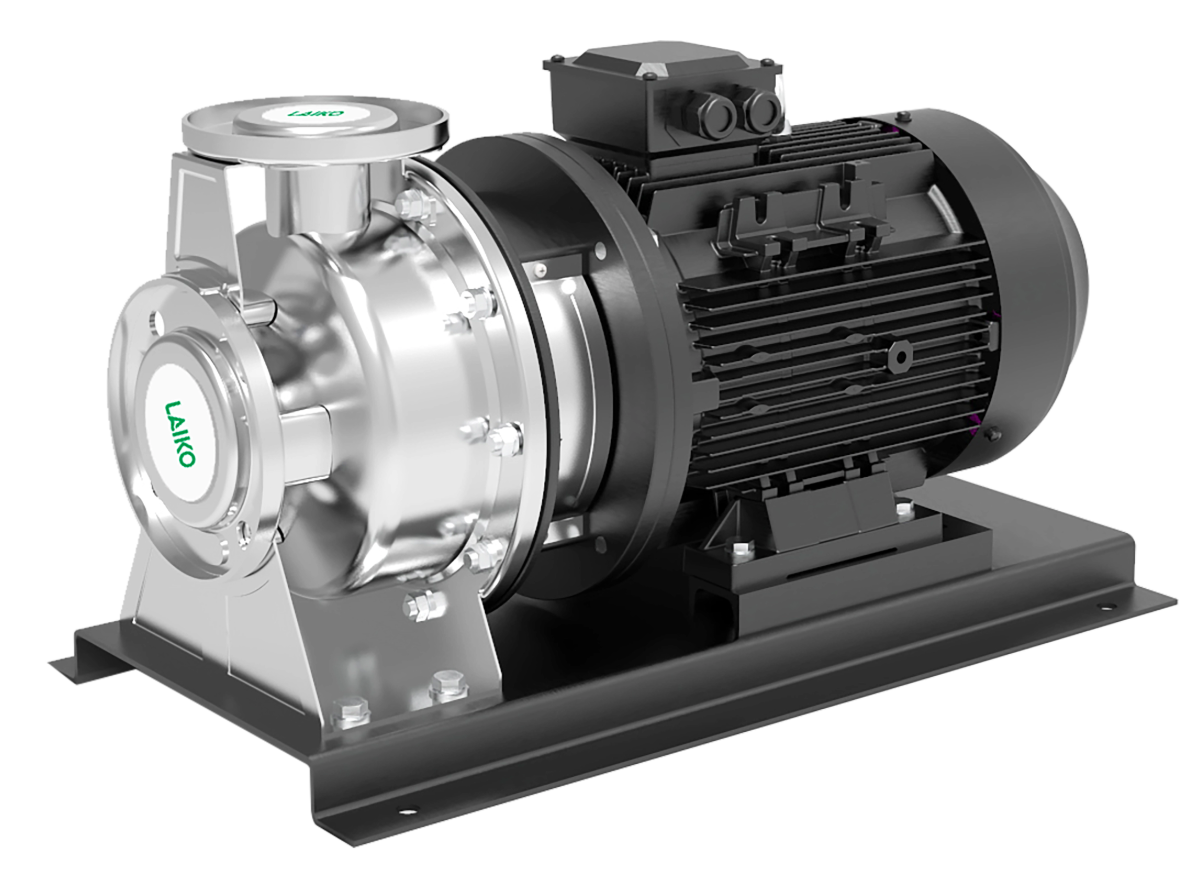
Horizontal pumps feature a shaft that runs parallel to the floor. They are easier to install and maintain, offering simple access to internal parts. This makes them a popular choice for general industrial applications. They also provide a stable, base-mounted configuration but take up more floor space and generally handle lower working pressures and temperatures. Vertical pumps, on the other hand, have a shaft oriented downward, saving floor space and making them ideal for installations in sumps, tanks, or flood-prone areas. Because the motor stays above the fluid, vertical pumps can handle hot or hazardous liquids while protecting the motor from damage.
Mechanically Sealed vs Magnetic Drive
Mechanically sealed centrifugal pumps use physical seals to prevent fluid from leaking. They are strong and can handle high temperatures, solids, and even short periods of dry running. This makes them suitable for industrial and marine applications, including chemical transfer, seawater pumping, and food processing. Magnetic drive pumps are seal-less and rely on magnetic coupling between the motor and the pump. This design eliminates leakage risk, reduces wear and friction, and lowers maintenance costs. They are especially useful for hazardous, flammable, or corrosive fluids, commonly seen in chemical plants or labs.
Self-Priming Pumps
Self-priming centrifugal pumps have a unique design that allows them to evacuate air from the suction line automatically. This makes them convenient for applications with intermittent operation or suction lifts. They are widely used for irrigation systems, drainage, marine applications, and construction dewatering, where frequent manual priming would be impractical. Self-priming pumps ensure reliable operation even in challenging conditions, protecting the pump from damage due to dry running.
Factors to Consider When Selecting a Centrifugal Pump
When selecting a centrifugal pump, the first factor to consider is the required flow rate and head. This determines whether a single-stage or multi-stage pump is more suitable. The properties of the fluid are equally important—its viscosity, temperature, and corrosiveness can affect pump performance and material selection. Installation conditions, such as available space and footprint, should also guide your choice, especially when deciding between horizontal or vertical pumps. Maintenance needs are another key consideration, as some pump types require more frequent inspection, lubrication, or seal replacement. Finally, the application type—whether chemical, marine, industrial, or municipal—plays a critical role in choosing the right pump design and materials to ensure safe, efficient, and long-lasting operation.
FAQ
Q1: When should I choose a mechanically sealed pump over a magnetic drive pump?
A: Mechanically sealed pumps are better for handling solids, high temperatures, and dry running, making them suitable for industrial and marine applications, while magnetic drive pumps are seal-less and ideal for hazardous, corrosive, or flammable fluids.
Q2: How do single-stage centrifugal pumps differ from multi-stage pumps?
A: Single-stage pumps have one impeller, making them ideal for low to moderate pressure and high flow rate applications, while multi-stage pumps have two or more impellers in series to generate higher pressure for long-distance or high-head pumping.
Q3: When should I use a vertical centrifugal pump?
A: Vertical pumps are suitable when floor space is limited, in flood-prone areas, or for sump and tank installations, keeping the motor above the fluid for safety and maintenance.
Q4: What is the difference between close-coupled and long-coupled pumps?
A: Close-coupled pumps have the motor mounted directly on the pump, offering a compact and cost-effective design, while long-coupled pumps separate the motor and pump onto their own shafts, reducing bearing strain and improving durability.
Q5: What applications benefit from horizontal vs vertical pump orientation?
A: Horizontal pumps are easier to maintain and install, making them ideal for general industrial use, whereas vertical pumps save floor space and are preferred in sumps, tanks, or areas where the motor must stay above the fluid.
Conclusion
Choosing the right centrifugal pump can significantly impact efficiency, reliability, and long-term operational costs. Whether it’s single-stage, multi-stage, vertical, or specialized configurations like magnetic drive or self-priming pumps, selecting a pump that matches your application ensures smooth, safe, and consistent fluid handling.
For companies seeking high-quality, customizable solutions, Laiko Pump (Zhejiang) Co., Ltd. offers a wide range of centrifugal pumps engineered for industrial, chemical, municipal, and marine applications. Their advanced designs, durable materials, and expert support help businesses optimize performance while minimizing maintenance challenges. Contact Laiko Pump today to find the ideal centrifugal pump for your project.


