


Water pumps are commonly used to move water from one location to another. Standard water pumps perform well with clean water, but they often struggle when water contains solids like mud, sand, leaves, or twigs. Regular pumps may clog, lose efficiency, or even suffer damage under these conditions.
Trash pumps, sometimes used alongside a sewage pump for wastewater or debris-heavy fluids, are specifically designed to handle such challenging situations. They can move water containing solids without clogging, making them reliable for construction sites, agriculture, flood cleanup, and industrial applications. Available in various types and sizes, trash pumps adapt to different project requirements. In this guide, we’ll explain what a trash pump is, how it works, its types, key applications, and tips for selecting the right pump for your needs.
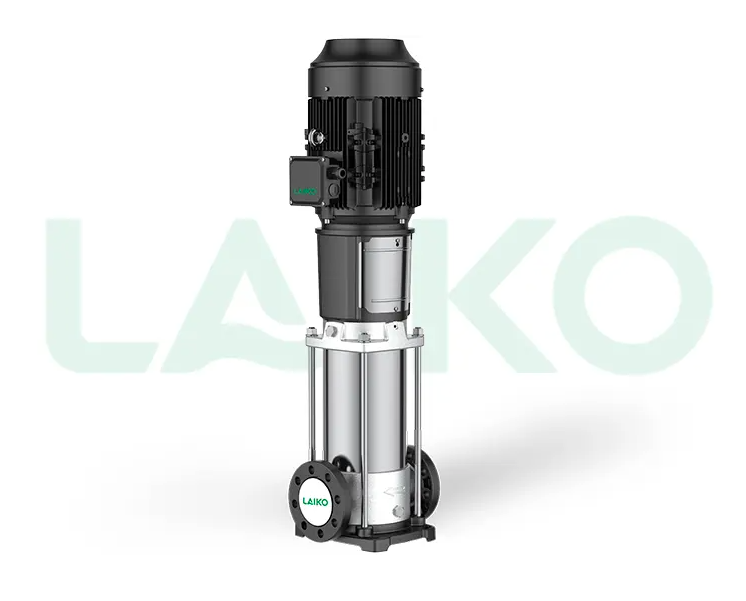
Understanding Trash Pumps
Definition of a Trash Pump
A trash pump is a heavy-duty pump built to handle water mixed with solid materials. Unlike ordinary water pumps, a trash pump has a wider discharge opening and larger impeller vanes. This design allows debris-laden water to pass through safely without clogging the pump.
They can move leaves, sticks, mud, sand, and even sludge, making them indispensable for construction sites, flood management, agriculture, and industrial projects. They are often portable, powered by gasoline, diesel, electric motors, or hydraulic systems. Some models can move thousands of gallons per minute, depending on size and power source.
How a Trash Pump Works
Trash pumps operate by creating flow and pressure to move water and solids through a system. The main components include:
Pump Housing – Protects the impeller and supports structural integrity. Usually made of cast iron or stainless steel for long life.
Impeller – Rotates quickly to pull water and debris into the pump and push it out through the discharge hose.
Suction Hose – Draws water from a source such as a flooded area, pond, or excavation.
Discharge Hose – Transports water and debris to a safe location. Hose material varies: rubber or PVC for flexibility and abrasion resistance.
Engine or Motor – Powers the impeller. Gasoline, diesel, or electric models are common.
Most trash pumps are self-priming, meaning they can create the vacuum needed to pull water in after an initial fill. Priming involves filling the pump and suction hose with water before starting. Some models include strainers or screens at the inlet to prevent oversized debris from entering. These features reduce downtime and protect the pump from damage.
Trash Pump vs Water Pump
Trash pumps and water pumps are built for different purposes.
| Feature | Water Pump | Trash Pump |
|---|---|---|
| Solids Handling | Very small (<0.25 inch) | Large (up to 3 inches or more) |
| Pressure | High | Moderate to low |
| Flow Volume | Moderate | High |
| Applications | Pools, lawns, basements | Construction, industrial dewatering, flood cleanup |
| Clogging Risk | High with debris | Low, designed for solids |
Water pumps are efficient for clean water and high-pressure tasks. Trash pumps excel at moving water containing solids safely. Choosing the right pump depends on the water’s debris content, the volume to move, and the jobsite conditions.
Applications of Trash Pumps
Trash pumps are versatile and used in various scenarios where water contains solids. Common applications include:
Construction and Mining – Dewatering trenches, basements, tunnels, or gravel pits. They prevent flooding and allow work to continue efficiently.
Flood Control – Removing floodwater from homes, garages, underpasses, and streets. Quick deployment can prevent property damage.
Agriculture – Irrigation of muddy fields, moving slurry, handling animal waste or pond water. They reduce manual labor and improve farm productivity.
Municipal Services – Bypassing streams or canals, cleaning stormwater drains, and handling wastewater.
Industrial Applications – Moving sludge, slurry, and solids-heavy liquids in factories or plants.
Trash pumps do not grind solids. They transport debris intact. Using a strainer or screen at the intake is recommended to prevent oversized materials from clogging the system.

Types of Trash Pumps
Centrifugal Trash Pumps
Centrifugal pumps use a spinning impeller to move water and solids outward. They are self-priming and portable, capable of handling large volumes. They are widely used for construction, mining, and municipal dewatering. High flow rates and ability to handle moderate debris make them a reliable all-purpose choice.
Diaphragm Trash Pumps
Diaphragm pumps work differently. A flexible diaphragm moves up and down, creating a vacuum to suck water in and then push it out. They handle sludge, thick mud, abrasive liquids, and fluids containing leaves or weeds. Common uses include pond dewatering, industrial slurry handling, and oil drilling operations.
Submersible Trash Pumps
These pumps are placed directly in water. They operate quietly, with low vibration. Corrosion-resistant materials, like stainless steel, make them durable in harsh conditions. They are ideal for flooded basements, tunnel dewatering, aquaculture, and other submerged applications.
Semi-Trash Pumps
Semi-trash pumps pass small debris, usually less than 5/8 inch. They are used for lightly muddy water, greywater, swimming pools, and small-scale irrigation. Strainers are recommended to prevent clogging.
PTO and Hydraulic Trash Pumps
These attach to tractors or hydraulic systems. They don’t have a dedicated engine but use power from existing machinery. They are popular in agriculture, farm irrigation, and construction. Advantages include rapid priming, high flow, and low maintenance.
Industrial Trailer-Mounted Trash Pumps
Industrial trailer-mounted pumps are large-capacity solutions. They can move thousands of gallons per minute and lift water hundreds of feet. They are ideal for mining operations, sewer bypass projects, and massive construction sites. Diesel-powered and venturi dry prime models provide consistent performance under extreme conditions.
| Pump Type | Mechanism / Feature | Applications / Notes |
|---|---|---|
| Centrifugal Trash Pumps | Spinning impeller, self-priming, portable | Construction, mining, municipal dewatering; high flow rates, handles moderate debris |
| Diaphragm Trash Pumps | Flexible diaphragm creates vacuum, pumps sludge/mud | Pond dewatering, industrial slurry, oil drilling; handles abrasive liquids and solids |
| Submersible Trash Pumps | Operates submerged, low vibration, corrosion-resistant | Flooded basements, tunnels, aquaculture; durable in harsh conditions |
| Semi-Trash Pumps | Passes small debris (<5/8 inch), uses strainer | Greywater, pools, small-scale irrigation, lightly muddy water |
| PTO / Hydraulic Trash Pumps | Powered by tractor or hydraulic system, rapid priming | Agriculture, farm irrigation, construction; low maintenance, high flow |
| Industrial Trailer-Mounted Pumps | Large-capacity, venturi dry prime, diesel-powered | Mining, sewer bypass, large construction sites; moves thousands of GPM, lifts water hundreds of feet |
How to Choose a Trash Pump
Flow Rate and Head Requirements
When selecting a trash pump, it’s important to consider the flow rate, which measures how much water the pump can move per minute, usually in gallons per minute (GPM). The head refers to the vertical distance the pump can lift water. Small pumps may not handle large volumes efficiently, while oversized pumps can be unnecessarily expensive. Matching the pump’s flow rate and head to your site requirements ensures efficient operation and prevents wasted resources.
Solids Size and Capacity
Trash pumps differ in the size and amount of solids they can pass. Always check the maximum solid size the pump can handle. As a rule of thumb, the hose diameter should be at least twice the size of the largest solids to prevent clogs. Larger industrial pumps can manage sticks, stones, and debris up to 3 inches, while smaller or semi-trash pumps are better suited for light debris like sand, leaves, or mud.
Power Source Options
Trash pumps are powered in several ways. Gasoline engines are versatile and portable, ideal for general use. Diesel engines are common for industrial sites and high-volume applications. Electric pumps work well in indoor or restricted-access areas. Hydraulic or PTO pumps attach to tractors or other machinery, offering high power without a separate engine. Choosing the right power source depends on mobility needs, worksite conditions, and fuel availability.
Material Construction
The materials used in a trash pump affect durability and performance. Corrosion-resistant coatings improve lifespan in aggressive water or slurry conditions. Stainless steel impellers resist abrasive wear from solids, while rubber hoses reduce the risk of tearing when working on rocky or uneven terrain. Proper material selection ensures long-term reliability and reduces maintenance costs.
Maintenance Considerations
Regular maintenance keeps a trash pump running efficiently. Inspect the impeller, strainer, and hoses after each use. Self-priming pumps minimize effort during long operations. Clean clog-prone areas regularly, and keep spare parts on hand for emergencies. Proper maintenance extends the pump’s lifespan, prevents downtime, and ensures consistent performance on every job.
Tips for Using Trash Pumps
Match hose diameter to solids size.
Keep hoses short and straight for better flow.
Use strainers or screens to prevent oversized debris from entering.
Monitor motor/engine temperature to avoid overheating.
Perform regular inspections and maintenance for reliability.
FAQ
Q: What is a trash pump used for?
A: Trash pumps are used to move water containing solids such as mud, leaves, sand, and debris. They are commonly used on construction sites, flood cleanup operations, agriculture, municipal services, and industrial applications.
Q: How is a trash pump different from a regular water pump?
A: Unlike standard water pumps that handle clean water, trash pumps can pass large solids without clogging. They operate at lower pressure but higher flow volumes and are built for debris-laden water.
Q: Can a trash pump handle sewage?
A: Yes, many trash pumps are compatible with sewage or wastewater containing solids. For heavily contaminated water, pairing with a sewage pump may improve performance and protect the equipment.
Q: What types of trash pumps are available?
A: Common types include centrifugal trash pumps, diaphragm pumps, submersible trash pumps, semi-trash pumps, PTO or hydraulic pumps, and industrial trailer-mounted pumps. Each type suits specific flow, solids size, and application requirements.
Conclusion
Trash pumps are essential tools for handling water that contains solids, debris, or sludge. From construction sites to agricultural fields, flood cleanup, and industrial operations, they provide reliable performance where standard water pumps fall short. By understanding the different types, power sources, and maintenance needs, you can select the right pump to improve efficiency, reduce downtime, and protect equipment.
For professionals seeking high-quality and durable pump solutions, Laiko Pump (Zhejiang) Co., Ltd. is a trusted choice. With over 34 years of industry experience and technology accumulation from Zhejiang DAYUAN Pumps Industrial Co., Ltd., Laiko Pump combines a comprehensive product line with leading manufacturing expertise. Whether you need centrifugal, diaphragm, submersible, or industrial trash pumps, Laiko Pump delivers reliable performance and long-lasting durability to meet the toughest water handling challenges.


