


What is a centrifugal pump used for?
Views: 0 Author: Site Editor Publish Time: 2025-11-21 Origin: Site


Centrifugal pumps are among the most widely used pumps in the world. They transport liquids efficiently by spinning an impeller inside a casing. The rotation generates centrifugal force, which converts kinetic energy into hydrodynamic energy, pushing the fluid through piping systems. They can handle large volumes, making them ideal for municipal water supply, irrigation, industrial processes, and many specialized applications. Modern centrifugal pumps often feature smart systems that optimize energy use and adapt flow based on demand.
Understanding Centrifugal Pumps
What is a Centrifugal Pump?
A centrifugal pumpis a mechanical device designed to move fluids using rotational energy. The spinning impeller accelerates the fluid, increasing its velocity and pressure as it flows out through the pump casing. They are simple in construction, reliable, and efficient. These pumps can transport clean water, chemicals, or slightly contaminated liquids, making them suitable for almost every industry.
Centrifugal pumps differ from positive displacement pumps because they rely on velocity conversion rather than trapping and pushing fixed volumes. This allows them to operate continuously, handling variable flow rates with ease.
How Does a Centrifugal Pump Work?
The working principle is straightforward:
Liquid enters the pump through the suction inlet.
The impeller spins rapidly, accelerating the fluid radially outward.
The fluid gains both velocity and pressure.
It exits the casing or volute, ready to flow through pipelines.
Some pumps are self-priming, automatically removing air from the suction line. This feature prevents the pump from becoming gas-bound and allows it to start without manual priming.
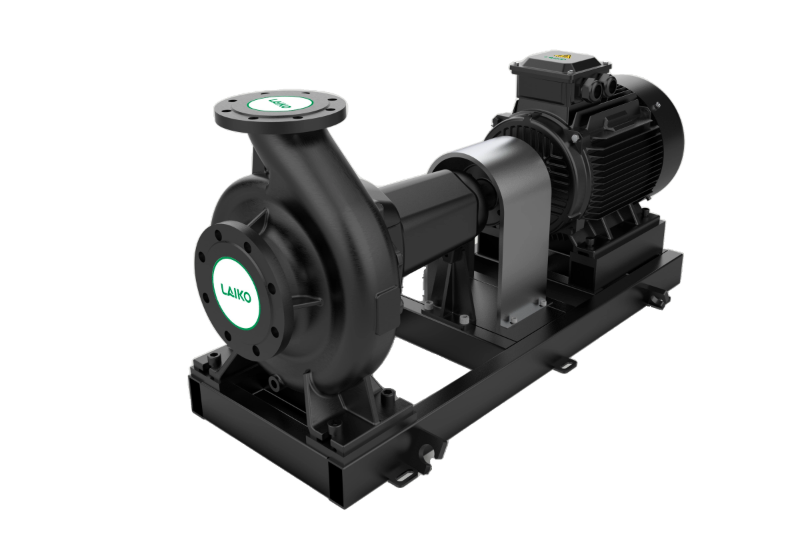
Key Components of a Centrifugal Pump
Impeller Types
Single-stage impellers: Deliver moderate pressure for standard industrial and residential applications.
Multistage impellers: Stack multiple impellers to achieve high pressures in boiler feed or water treatment systems.
Radial, axial, and mixed-flow impellers: Dictate the flow direction and efficiency, suitable for low, medium, or high-pressure applications.
Pump Casing and Volute
The casing guides liquid from the impeller to the outlet. Different types include:
| Type | Description | Typical Application |
|---|---|---|
| Volute | Spiral casing | General water transfer, municipal systems |
| Diffuser | Multiple channels | High-efficiency, high-pressure pumping |
| Double volute | Two separate flow paths | Reduces axial thrust for heavy-duty pumps |
Motor and Drive Systems
Direct-drive motors: Impeller directly connected to the motor for efficient energy transfer.
Belt-driven systems: Offers flexible placement and speed adjustment.
Variable Frequency Drives (VFD): Adjust impeller speed automatically to reduce energy consumption under variable load conditions.
Materials and Durability
Pump materials influence longevity and performance:
Stainless steel: Resists corrosion, ideal for chemical and seawater applications.
Cast iron: Handles moderate pressures and abrasive liquids.
Bronze: Perfect for seawater or corrosive fluids.
Durable impellers and casings reduce wear, support high pressures, and ensure long-term reliability.
Industrial Applications of Centrifugal Pumps
Water Supply and Distribution
Centrifugal pumps maintain consistent pressure in municipal water systems, building hydrofor setups, and large-scale irrigation networks. Pumps equipped with VFD (Variable Frequency Drives) adjust speed automatically based on real-time water demand, reducing energy consumption and wear on the system. They also ensure uninterrupted water flow during peak usage hours, making them ideal for residential and commercial buildings alike.
Irrigation Systems
In agriculture, centrifugal pumps transfer water from rivers, reservoirs, or lakes to crops efficiently. High-capacity pumps lift water to higher elevations, powering sprinklers, drip irrigation systems, and farm equipment. When combined with submersible pumps, they can maintain irrigation even during dry seasons, helping farmers improve yield and reduce water waste. These pumps also allow for flexible water management in modern precision agriculture systems.

Water Treatment Plants
Filtration: Centrifugal pumps provide steady flow through filtration systems, maintaining efficiency even against high resistance.
Disinfection: Resistant to chemical corrosion, they are suitable for chlorine, acid, or other chemical dosing.
Desalination: Capable of moving large volumes of seawater through reverse osmosis or filtration systems, ensuring safe drinking water.
In addition, these pumps support automated control in treatment plants, improving reliability while reducing operational costs. Their robust design ensures long-term durability under continuous operation.
Chemical Industry
Centrifugal pumps transport corrosive acids, alkalis, solvents, and viscous chemicals safely and efficiently. They move liquids from storage tanks to reactors, and between processing units without leaks or contamination. Their materials, often stainless steel or specialized alloys, resist corrosion and chemical attack, making them essential for hazardous environments. Regular monitoring and smart controls further enhance safety and operational reliability.
Oil Refineries and Oilfields
Process pumps: Designed to handle thick crude oil or liquids containing suspended solids.
Utility pumps: Transfer refined oils, water, or chemical additives across plant operations.
These pumps are widely used for storage tank transfers, pipeline injection, and offshore platforms. Their continuous operation capability ensures smooth production while complying with strict safety and environmental standards. Advanced centrifugal pumps also allow for precise flow and pressure control, minimizing waste and spillage.
Food and Beverage Plants
Centrifugal pumps are critical for moving liquids, recirculating syrups, cooling beverages, and cleaning process equipment. Their simple design allows easy sanitation, meeting strict food safety regulations. They also handle viscous fluids or liquids containing small particulates without clogging, improving operational efficiency and reducing downtime.
Paper Mills
Pumps transport pulp slurry through the production line and wastewater to treatment systems. They maintain steady flow despite fibrous or abrasive content, preventing clogging and ensuring consistent paper quality. Centrifugal pumps also support energy-efficient operations, helping mills reduce costs while meeting environmental discharge standards.
Power Plants
Centrifugal pumps circulate boiler water, cooling water, lubricating oil, and fuel oil within power plants. Radial flow pumps operate efficiently under high pressures, while mixed-flow pumps are suitable for moderate pressure systems. They are also used in emergency and fire suppression systems, ensuring plant safety. Advanced monitoring systems allow operators to detect issues early and optimize pump performance.
Mining Industry
Centrifugal pumps manage slurry transfer, dewatering, and cooling operations in mines. They can generate a vacuum for suction dredging and maintain hydraulic pressure for heavy machinery. These pumps also help transport wastewater safely, minimize flooding risk, and provide cooling water for equipment, improving both safety and productivity on mining sites.
Military and Shipbuilding
Centrifugal pumps support aircraft fuel systems, shipboard hydraulics, and ground support equipment. On ships, they manage bilge water, firefighting operations, fresh water supply, fuel transfer, and waste management. Their reliability under harsh environments makes them critical for naval operations, shipbuilding, and other military applications, ensuring mission readiness and safety.
Residential Applications
Garden Irrigation and Lawn Watering: Small centrifugal pumps make it easy to supply consistent water to gardens, lawns, and flower beds. They ensure even coverage, reduce water waste, and can be automated with timers or smart irrigation systems.
Water Pressure Boosting for Multi-Story Homes: In taller homes, these pumps maintain stable water pressure for showers, faucets, and appliances. They adapt to varying water demand, preventing low-pressure problems during peak usage hours.
Circulating Water in Small Cooling Systems or Reservoirs: Centrifugal pumps efficiently move water in domestic cooling systems, ponds, or water features. They provide steady flow, support small-scale heating/cooling loops, and are quiet during operation.
Even compact residential centrifugal pumps handle water efficiently, are easy to install, and require minimal maintenance. Their durable design ensures long-term performance for everyday household applications.

| Application Area | Typical Uses |
|---|---|
| Water Supply & Distribution | Municipal water systems, building hydrofor setups, large-scale irrigation, VFD for energy saving |
| Irrigation Systems | Crop watering, sprinklers, drip irrigation, submersible pump integration, drought management |
| Water Treatment Plants | Filtration, disinfection, desalination, automated control, chemical resistance |
| Chemical Industry | Transport acids, alkalis, solvents, viscous liquids, tank to reactor transfer, corrosion resistant |
| Oil Refineries & Oilfields | Process pumps for thick liquids, utility pumps, storage tank transfer, offshore operations |
| Food & Beverage Plants | Liquid transfer, syrup recirculation, cooling, cleaning, handling viscous or particulate liquids |
| Paper Mills | Pulp slurry transport, wastewater handling, clog prevention, energy efficiency |
| Power Plants | Boiler & cooling water circulation, fuel & lubricant transfer, fire suppression, high-pressure pumps |
| Mining Industry | Slurry transfer, dewatering, vacuum generation, hydraulic pressure, equipment cooling |
| Military & Shipbuilding | Aircraft fuel, ship hydraulics, bilge pumping, firefighting, water/fuel supply, waste management |
| Residential | Garden irrigation, lawn watering, water pressure boosting, small cooling systems, ponds, water features |
How to Select a Centrifugal Pump
Determine flow rate and pressure requirements.
Consider fluid properties: viscosity, temperature, corrosiveness.
Choose appropriate material for pump and impeller.
Evaluate energy efficiency: VFD or smart systems.
Check ease of maintenance for long-term operation.
Decide between single-stage or multistage depending on pressure needs.
Maintenance Tips
Always prime non-self-priming pumps before startup.
Inspect impellers, bearings, seals, and couplings regularly.
Monitor for unusual vibration, noise, or temperature rise.
Drain and store pumps properly during seasonal shutdowns.
Keep suction lines free of debris to prevent cavitation.
FAQ
Q: What is a centrifugal pump used for?
A: Centrifugal pumps are used to move liquids efficiently in water supply, irrigation, chemical processing, food and beverage production, power plants, mining, and residential applications.
Q: How does a centrifugal pump work?
A: It works by spinning an impeller, which accelerates the liquid outward, converting kinetic energy into pressure and pushing the fluid through piping systems.
Q: What types of fluids can centrifugal pumps handle?
A: They can handle clean water, chemicals, slightly contaminated liquids, viscous fluids, and liquids with small particulates, depending on pump design.
Q: What industries commonly use centrifugal pumps?
A: Industries include municipal water systems, irrigation, chemical plants, oil refineries, food and beverage, paper mills, power plants, mining, military, and shipbuilding.
Q: Can centrifugal pumps be used in residential settings?
A: Yes, they are used for garden irrigation, lawn watering, water pressure boosting in multi-story homes, and circulating water in small cooling systems or ponds.
Conclusion
Centrifugal pumps are essential for efficiently moving liquids across industrial, agricultural, and residential applications. They provide consistent flow, reliable pressure, and energy-efficient operation, making them ideal for municipal water supply, irrigation systems, water treatment plants, chemical and food processing, power plants, and even home water circulation. Selecting the right centrifugal pump, whether single-stage or multistage, and choosing the proper materials ensures long-lasting performance, low maintenance, and cost savings.
Laiko Pump offers a wide range of high-quality centrifugal pumps for both industrial applications and residential water systems. Our pumps are designed for durability, energy efficiency, and smart operation, making them perfect for industries requiring precise fluid handling or homes needing reliable water pressure. From irrigation and chemical transfer to water treatment and small-scale cooling, Laiko Pump centrifugal pumps provide consistent performance and long-term reliability.


