


Can You Run A Centrifugal Pump without Water?
Views: 0 Author: Site Editor Publish Time: 2026-01-26 Origin: Site


Centrifugal pumps are essential components in various industries, widely used for transporting fluids such as water, chemicals, and oil. These pumps rely on their impellers to create a flow of fluid by converting mechanical energy from a motor into kinetic energy in the fluid. Centrifugal pumps are commonly found in water treatment plants, HVAC systems, industrial processes, and many other applications.
One of the most critical questions that arise in pump operation is whether it's safe to run a centrifugal pump without water. While it may seem possible to operate a pump without fluid, the consequences of doing so are severe and can cause irreversible damage to the pump. This article explores the potential risks of running a centrifugal pump dry, the importance of fluid in the pump’s operation, and how to avoid damage by ensuring proper fluid flow during pump startup and operation.
Understanding the functioning and risks associated with centrifugal pumps is crucial for maintaining the longevity of the pump and optimizing its performance. By the end of this article, you’ll have a clear understanding of why water is essential in the pump system and how to protect your equipment.
How Centrifugal Pumps Work
Basic Operation of a Centrifugal Pump
Centrifugal pumps operate by utilizing a rotating impeller to impart energy to the fluid. The impeller’s blades push the fluid outward from the center of the pump towards the outer edges. As the fluid exits the impeller, the pump casing (volute) converts the velocity of the fluid into pressure, resulting in the desired flow of the fluid through the system.
The pump relies on the presence of fluid to function correctly. The moving fluid absorbs the heat generated by friction between the pump components and facilitates the movement of the pump’s parts. Without fluid, this vital cooling process does not occur, leading to overheating and excessive wear on the pump.
Key Components:
Impeller: The primary moving part of the pump that imparts kinetic energy to the fluid.
Volute: A spiral casing that guides the fluid and converts its velocity into pressure.
Suction and Discharge Nozzles: The inlet and outlet of the pump where the fluid enters and exits.
Each of these components plays a crucial role in the pump’s efficiency and performance. Without fluid, these components will quickly fail to perform their intended functions, leading to pump malfunction.
Role of Fluid in Centrifugal Pump Operation
Fluid serves multiple roles within a centrifugal pump. Primarily, it helps in transferring the mechanical energy produced by the pump motor to kinetic energy in the fluid, which enables the desired flow. Additionally, fluid is crucial for cooling the internal components, including the impeller, seals, and bearings. The fluid’s presence minimizes friction between these parts, preventing them from overheating or sustaining permanent damage.
Fluid also acts as a lubricant for the moving parts of the pump. Without fluid, the parts experience increased friction, leading to excessive wear and eventual failure. Moreover, the fluid ensures the proper sealing of the pump, preventing leaks and maintaining internal pressure.
Consequences of Running a Centrifugal Pump Without Water
Running a centrifugal pump dry can have several harmful effects. These range from reduced efficiency to severe mechanical damage, all of which result in costly repairs, system downtime, and potential replacement of parts.
1. Mechanical Damage
When a centrifugal pump is run without water, the rotating parts, such as the impeller, are no longer adequately cooled. The friction generated by the impeller against the pump casing increases dramatically, causing the temperature to rise significantly. As the pump heats up, its components, particularly metal parts, can warp, crack, or even melt. This permanent mechanical damage often requires the replacement of the affected components, which could mean costly repairs or even purchasing a new pump.
2. Overheating
In the absence of water, the pump components cannot dissipate the heat generated by the motor and impeller. This leads to a rapid increase in temperature, which can cause a variety of issues. For instance, the motor windings can overheat, leading to electrical failures, while the seals and bearings may become brittle and crack. Overheating is one of the most immediate risks of running a centrifugal pump without water, and it can lead to premature failure of the pump.
3. Seal Damage
Centrifugal pumps rely on mechanical seals to maintain pressure and prevent leaks. These seals are lubricated and cooled by the fluid flowing through the pump. When the pump runs dry, the seals begin to wear out due to friction, leading to leakage. This not only reduces the efficiency of the pump but also exposes the internal components to contamination. In some cases, the seals may burn up completely, leading to catastrophic pump failure.
4. Cavitation Risks
Cavitation occurs when the pressure inside the pump falls below the vapor pressure of the fluid, causing bubbles to form. When these bubbles collapse, they create shock waves that can damage the pump’s impeller and other internal components. Running a centrifugal pump dry creates conditions conducive to cavitation, as the absence of fluid results in unstable pressure within the pump. The collapse of these vapor bubbles can erode the impeller surface and cause significant damage.
5. Reduced Efficiency and Performance
Without the presence of water or fluid, the pump's ability to generate the necessary flow and pressure is severely compromised. The pump will continue to operate inefficiently, wasting energy while failing to achieve the required output. Even if the pump seems to run, it is not performing optimally, leading to a reduction in overall system efficiency. The pump will likely require more energy to achieve less output, contributing to higher operational costs and increased wear on the motor.
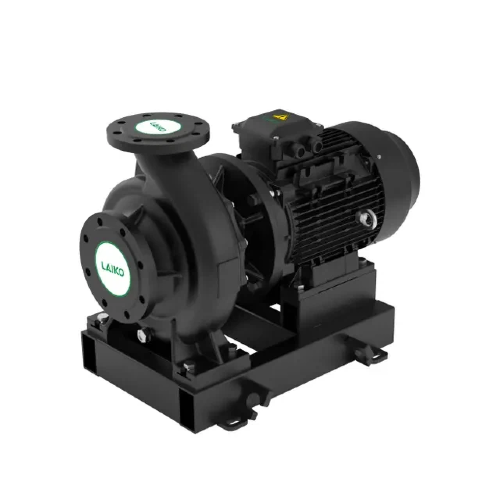
Why You Should Never Run a Centrifugal Pump Dry
The risks associated with running a centrifugal pump dry cannot be overstated. The consequences of this practice are far-reaching, and the damage caused often exceeds the cost of prevention. Here’s why it’s crucial to avoid dry running:
Risk of Overheating
Centrifugal pumps are designed to rely on the fluid to absorb the heat generated by the pump’s moving parts. Without fluid, the heat builds up quickly within the pump, especially around the impeller and bearings. Overheating can result in severe damage, including melted seals, warped impellers, and burned-out motors. This damage is typically irreversible and leads to expensive repairs.
Bearing Damage
The bearings in a centrifugal pump are lubricated by the fluid. Without this lubrication, the bearings experience excessive friction, which leads to wear and tear, resulting in bearing failure. Bearing failure is one of the most common outcomes of dry running and can cause the pump to seize up completely. The cost of replacing bearings and repairing the pump can be substantial.
Increased Repair Costs
Running a centrifugal pump without water leads to mechanical damage, overheating, and seal failure, all of which require expensive repairs. Replacing damaged components like impellers, seals, and bearings is costly, and in many cases, the entire pump may need to be replaced. The cost of repairs far exceeds the cost of implementing preventive measures such as dry-run protection sensors and proper priming.
Premature Pump Failure
Frequent dry running leads to accelerated wear and tear on the pump. Even if the pump doesn’t immediately fail, running it without fluid will shorten its lifespan. The combination of overheating, bearing damage, and seal failure contributes to premature pump failure, which means more frequent replacements and higher operational costs in the long run.
What Happens When Water Is Not Available for the Pump?
Common Causes for Dry Running
There are several reasons why a centrifugal pump might run without water. Some of the most common causes include:
Suction Line Leaks: If the suction line has a leak, air can enter the system, preventing the pump from filling with fluid. This can cause the pump to run dry, leading to all the previously mentioned risks.
Incorrect Priming: If the pump is not properly primed before starting, it may fail to draw water, leading to dry running.
Low Fluid Levels: If the fluid levels in the tank or system are too low, the pump may not be able to draw enough fluid to operate properly, resulting in dry running.
Consequences of Running Dry
If a centrifugal pump runs dry due to any of these causes, it will result in overheating, mechanical damage, and seal degradation. These consequences can render the pump inoperable or cause it to fail entirely. Regular checks of the suction line, priming system, and fluid levels are essential to prevent dry running.
How to Avoid Running a Centrifugal Pump Without Water
Proper Installation and Priming
Ensuring that a centrifugal pump is properly installed and primed is the first step in preventing dry running. Priming involves filling the pump casing and suction line with fluid before starting the pump. This ensures that the pump can draw fluid from the system and begin operating efficiently. Proper installation also ensures that the suction line is sealed and free from leaks.
Use of Dry Run Protection Sensors
Many modern centrifugal pumps are equipped with dry run protection sensors. These sensors detect when there is insufficient fluid in the pump and automatically shut down the pump before any damage can occur. Installing such sensors is an effective way to protect the pump from dry running.
Feature | Benefit |
Dry Run Sensors | Prevent pump damage by detecting low fluid levels |
Priming Mechanisms | Ensure the pump is filled with fluid before startup |
Automatic Shut-off Systems | Shut down the pump automatically in dry conditions |
Routine Maintenance and Monitoring
Routine maintenance is crucial for ensuring the pump remains in good condition. Regular checks of the suction line for leaks, inspection of seals and bearings, and monitoring fluid levels can help detect potential issues before they lead to dry running.
Installing Automatic Shut-Off Mechanisms
Automatic shut-off valves are a smart addition to centrifugal pumps. These systems automatically detect when the pump is running dry and will shut the pump off, preventing damage to the pump’s internal components. This ensures the longevity and efficiency of the pump.
Conclusion
Running a centrifugal pump without water can result in significant mechanical damage, overheating, bearing wear, and seal failure. These issues not only lead to costly repairs but also cause increased downtime and premature pump failure. To avoid such complications, it is crucial to ensure the pump is properly primed, regularly maintained, and equipped with dry-run protection sensors.
At Laiko Pump (Zhejiang) Co., Ltd., we understand the importance of safeguarding your equipment from the risks associated with dry running. Our centrifugal pumps are designed to provide reliable, long-term performance, ensuring the smooth operation of your systems. By following best practices in installation, maintenance, and operation, you can extend the lifespan of your pumps and enhance their efficiency.
We encourage you to explore our range of high-quality centrifugal pumps and learn how our advanced solutions can benefit your industrial applications. If you’re interested in more information or need expert guidance, don’t hesitate to contact us today.
FAQ
1. Can a centrifugal pump run dry for a short period?
While some pumps may tolerate brief periods of dry running, it is never recommended. Even short durations can cause significant damage to seals, bearings, and impellers, leading to costly repairs.
2. What causes a centrifugal pump to run dry?
Common causes include improper priming, leakage in the suction line, and low fluid levels that prevent the pump from drawing enough fluid to operate efficiently.
3. How can I protect my centrifugal pump from running dry?
Install dry-run protection sensors, ensure proper priming, and conduct regular maintenance checks to monitor fluid levels and pump seals.
4. What are the signs that a centrifugal pump is running dry?
Signs include unusual noise (e.g., whining or grinding), overheating, and a reduction in flow rate. If any of these symptoms occur, the pump should be stopped immediately to prevent further damage.


