


What Is A Main Advantage of A Centrifugal Pump?
Views: 0 Author: Site Editor Publish Time: 2026-01-21 Origin: Site


Centrifugal pumps are widely used in various industries due to their numerous benefits. Whether it is fluid transportation in industrial plants, water treatment, or even chemical processing, centrifugal pumps stand out as one of the most effective pump types. This article explores the main advantage of a centrifugal pump, which is its efficiency and performance, along with other contributing factors such as versatility, cost-effectiveness, ease of maintenance, and reliability.
1. Why Are Centrifugal Pumps Important?
Centrifugal pumps are mechanical devices designed to move liquids, gases, or slurries by converting rotational kinetic energy into hydrodynamic energy. As one of the most popular pump types in the market, centrifugal pumps are used in various applications across industries like water supply, wastewater treatment, chemical processing, and manufacturing. Their importance cannot be overstated as they provide a reliable and efficient means of fluid transport, contributing significantly to the smooth operation of countless processes.
Choosing the right pump is crucial for optimizing performance, minimizing operational costs, and ensuring long-term reliability. Among various pump types, centrifugal pumps are known for their efficiency, performance, and ease of maintenance, making them a preferred choice for fluid movement in countless applications. Understanding the main advantages of these pumps can guide industries in selecting the right pump for their needs. Their widespread use in various sectors further solidifies their importance in modern industrial applications, where efficiency and reliability are key to success.
2. How a Centrifugal Pump Works
To understand the core advantages of a centrifugal pump, it's essential to grasp how it works. The principle behind centrifugal pumps is relatively simple but highly effective. The pump operates by using a rotating impeller to impart kinetic energy to the fluid, which then flows outward due to centrifugal force, leading to an increase in fluid pressure.
Basic Principle of Centrifugal Pumps
A centrifugal pump operates by imparting kinetic energy to the fluid via a rotating impeller. This kinetic energy is then converted into pressure energy as the fluid flows through the pump casing, creating a smooth and continuous flow. The entire process is designed to provide a stable and efficient means of fluid transport, ensuring a steady flow without any interruptions.
Impeller: The key component that drives the fluid. It is a rotating disc with blades that push the liquid outwards, creating the required flow.
Pump Casing: The outer casing that contains the fluid and guides it through the impeller. The casing ensures that the fluid is directed properly, maximizing the pump’s efficiency.
Suction: The inlet where the liquid enters the pump. The design of the suction area is crucial to avoid cavitation and ensure a steady flow.
Discharge: The outlet where the fluid exits the pump. The discharge pressure is determined by the design and the speed of the impeller.
Flow Dynamics
The flow dynamics of a centrifugal pump rely on the impeller's ability to accelerate the fluid. As the impeller spins, it forces the fluid outward into the pump casing. The speed at which the fluid exits the impeller increases, and this increase in velocity results in the fluid's pressure rising as it moves through the pump. This conversion of kinetic energy to pressure energy is what makes centrifugal pumps so effective in fluid movement.
3. Main Advantage of a Centrifugal Pump: Efficiency and Performance
Efficiency of Centrifugal Pumps
The primary advantage of centrifugal pumps is their efficiency. Centrifugal pumps are designed to provide high flow rates with relatively low energy consumption, making them an energy-efficient choice for fluid transfer. This advantage is especially crucial in applications that require continuous or high-volume fluid transfer, where energy savings can add up significantly over time.
High Flow Rate: Centrifugal pumps can handle large volumes of fluid efficiently, which is particularly beneficial in applications such as water supply and industrial cooling systems. Their ability to move a large quantity of fluid quickly and effectively ensures that these systems remain functional with minimal downtime or maintenance interruptions.
Low Energy Consumption: The smooth flow dynamics of centrifugal pumps reduce friction losses, which results in lower energy consumption compared to other types of pumps. The pump's design focuses on reducing unnecessary power losses, allowing the motor to operate efficiently while reducing the overall energy bill.
Continuous Flow: These pumps provide continuous, steady flow, which is crucial for systems that require a constant and reliable fluid supply. This consistency makes centrifugal pumps ideal for operations where fluctuations in fluid flow are not acceptable, such as in industrial processing and water treatment systems.
Performance in Various Applications
Centrifugal pumps are versatile in their performance. Whether it is handling clean water, wastewater, or aggressive chemical liquids, centrifugal pumps are engineered to perform in a variety of challenging environments. The performance of these pumps remains reliable even under extreme conditions, where other pumps may fail.
Advantages in Industrial Applications
Centrifugal pumps excel in industrial environments where large volumes of liquid need to be moved efficiently. These pumps can handle liquids with varying viscosities, ranging from water-like fluids to thicker, more viscous substances. This ability to work with a wide variety of fluids is what makes centrifugal pumps such a popular choice for many industries.
Advantages in Chemical Processing
In chemical plants, centrifugal pumps are often used to handle hazardous or corrosive fluids. Their ability to maintain high efficiency with minimal maintenance in such environments makes them ideal for continuous operation. Special versions of centrifugal pumps are also designed to handle high temperatures, pressures, and aggressive chemicals, ensuring they perform reliably in these demanding conditions.
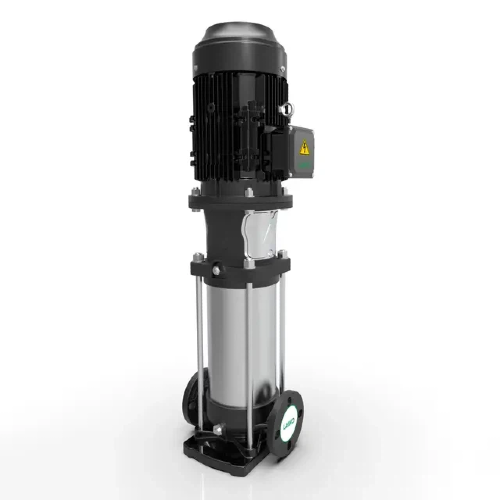
4. Versatility and Wide Range of Applications
Centrifugal pumps are highly versatile, capable of handling a variety of fluid types and operating in numerous environments. This versatility makes them an excellent choice for many different industries and fluid transfer applications.
Versatility in Fluid Handling
One of the standout features of centrifugal pumps is their ability to pump a wide range of fluids. The pump’s impeller and casing can be customized to handle various types of liquids, from clear water to thick, abrasive slurries.
Water and clean liquids: These pumps are often used in municipal water supply and irrigation systems.
Chemicals and Slurries: Special centrifugal pumps are designed for the handling of chemicals, slurries, and other abrasive fluids.
Wastewater: Sewage treatment plants rely heavily on centrifugal pumps for pumping wastewater efficiently.
Common Applications
Water Supply Systems: Used in municipal water supply and irrigation to move clean water from reservoirs to homes or agricultural areas.
Industrial Circulation Systems: Centrifugal pumps are used for circulating water in cooling systems, heat exchangers, and boilers.
Chemical Processing: These pumps handle corrosive and toxic chemicals in industries like pharmaceuticals, oil and gas, and agriculture.
Industry | Application | Fluid Type |
Water Treatment | Water supply, filtration, circulation | Clean water |
Chemical Processing | Chemical fluid transfer, mixing, and pumping | Chemicals, slurries, acids |
Oil & Gas | Crude oil and gas transfer | Crude oil, gas, petroleum-based liquids |
Food & Beverage | Fluid processing, transfer, and bottling | Liquid foods, beverages |
5. Cost-Effectiveness and Ease of Maintenance
Cost-Effectiveness
Centrifugal pumps are often the most cost-effective option for fluid transfer in both the short and long term. Their simple design, coupled with high efficiency, makes them the ideal choice for many industries looking to reduce operational costs.
Lower Initial Cost: Compared to other pump types, centrifugal pumps are relatively inexpensive to purchase and install. The materials used in their construction are cost-effective while still offering the durability required for industrial use.
Lower Operational Costs: Due to their efficient design, centrifugal pumps consume less energy, which reduces operational costs. These pumps are designed to run efficiently over long periods, meaning the energy bills associated with their operation are kept to a minimum.
Durability: With fewer moving parts and a simple design, centrifugal pumps have a longer lifespan and lower repair costs over time. Their reliability reduces the need for frequent replacements or repairs, ensuring the pump remains functional for many years.
Maintenance and Reliability
The design of centrifugal pumps makes them easy to maintain. These pumps have fewer moving parts compared to positive displacement pumps, reducing the chances of mechanical failure. The simplicity of the design means that routine maintenance is straightforward, and parts such as the impeller and casing can be easily serviced or replaced if necessary.
Minimal Maintenance: The impeller is the primary moving part, and the lack of valves or complex mechanisms makes routine maintenance simpler. Most maintenance tasks involve checking the pump’s performance, cleaning components, and lubricating the bearings to ensure smooth operation.
Durability: Centrifugal pumps are built to withstand continuous use, providing long-term reliability even under heavy-duty conditions. The materials used in their construction are resistant to corrosion, wear, and abrasion, ensuring that the pump operates effectively even in challenging environments.
6. Durability and Reliability
Centrifugal pumps are known for their long-lasting performance, even under challenging conditions. Their durability and reliability are two major reasons why they are preferred in both industrial and municipal applications.
Durability Factors
Material Construction: High-quality materials such as stainless steel, carbon steel, and composite materials contribute to the pump's ability to withstand corrosion and abrasion.
Operational Stability: Centrifugal pumps operate consistently, providing continuous flow without unexpected failures. Their ability to perform under varying pressures and temperatures further solidifies their reliability.
Wear Resistance: The pump components, such as impellers, are designed for wear resistance, ensuring a longer life cycle. This reduces the need for frequent replacements or servicing, making centrifugal pumps a long-term investment.
Reliability in Critical Applications
In critical applications where pump failure can result in downtime or hazardous situations, centrifugal pumps provide peace of mind due to their robust design and reliable operation. Their ability to function without interruptions ensures that industrial processes remain efficient and stable.
7. Conclusion
In conclusion, the main advantage of a centrifugal pump lies in its exceptional efficiency and performance. Designed to move large volumes of fluid while minimizing energy consumption, these pumps are an ideal choice for fluid transfer across various industries. Their versatility, cost-effectiveness, ease of maintenance, and reliability make them indispensable in applications ranging from industrial cooling systems to water treatment facilities.
Centrifugal pumps excel in handling a wide array of fluids, thriving in demanding environments, and providing continuous, stable flow, which has ensured their continued success in the fluid handling industry. Their unmatched efficiency and performance set them apart from other pump types, making them a key component of modern fluid transport.
To learn more about high-quality centrifugal pumps and find solutions tailored to your needs, we recommend contacting Laiko Pump (Zhejiang) Co., Ltd. With extensive expertise and a commitment to dependable performance, we can help you select the right centrifugal pump for your application.
8. FAQ
What makes centrifugal pumps more efficient than other types of pumps?
Centrifugal pumps are efficient because they use rotational energy to move the fluid, reducing friction losses and ensuring a continuous flow with minimal energy consumption.
How do centrifugal pumps handle different types of fluids?
Centrifugal pumps can handle a variety of fluids, from clean water to corrosive chemicals, by utilizing specially designed impellers and casings that can be customized for specific applications.
How often should centrifugal pumps be maintained?
Centrifugal pumps require minimal maintenance, but it is important to check the pump's performance regularly, inspect the impeller, and clean the pump periodically to ensure optimal efficiency.
What industries benefit the most from using centrifugal pumps?
Industries such as water treatment, chemical processing, oil and gas, and food and beverage processing benefit greatly from the efficiency, reliability, and versatility of centrifugal pumps.


