


What Is The Purpose of A Centrifugal Pump?
Views: 0 Author: Site Editor Publish Time: 2026-01-19 Origin: Site


Centrifugal pumps are essential components in many industries, serving a wide range of purposes, from transferring clean water to moving complex chemicals and slurries. These pumps are used to convert mechanical energy into fluid energy to facilitate efficient fluid movement. With their broad range of applications, centrifugal pumps are indispensable in ensuring smooth and continuous operations. This article explores the purpose of centrifugal pumps, how they work, and their critical role in various sectors.
1. The Importance of Centrifugal Pumps
Centrifugal pumps are mechanical devices designed to move fluids, gases, or slurries by using centrifugal force. They are among the most commonly used pumps in the world, found in everything from industrial processes to municipal water systems. Whether it’s transporting water, oil, or chemicals, centrifugal pumps provide the necessary flow and pressure to meet a variety of needs.
Centrifugal pumps are essential for efficiently transporting fluids in both large and small-scale operations. Their widespread use across different industries, including manufacturing, water treatment, agriculture, and energy production, underscores their importance. Understanding the purpose of centrifugal pumps and their operation helps optimize their performance, improving system efficiency and extending pump lifespan.
The primary purpose of a centrifugal pump is to move fluids efficiently by generating enough pressure to push them through pipes and other conveyance systems. The following sections will dive deeper into how centrifugal pumps accomplish this, their various applications, and the importance of selecting the right pump for the task.
2. Understanding Centrifugal Pumps
To truly appreciate the purpose of centrifugal pumps, it's crucial to understand how they operate and their key components. Centrifugal pumps convert rotational mechanical energy into fluid energy, facilitating fluid movement through pipelines or tanks.
Basic Working Principle of Centrifugal Pumps
At the core of every centrifugal pump is the impeller, which plays a critical role in transferring energy to the fluid. When the impeller rotates, it generates centrifugal force that pushes the fluid outward. This process converts kinetic energy into pressure energy, enabling the pump to move the fluid through the discharge pipe.
The mechanism behind centrifugal pumps is straightforward:
Fluid Entry: The fluid enters the pump through the suction side.
Energy Conversion: The impeller accelerates the fluid, creating kinetic energy.
Fluid Discharge: The fluid exits the pump at a higher pressure, propelled by the energy imparted by the impeller.
Key Components of a Centrifugal Pump
Component | Function |
Impeller | A rotating disk that imparts kinetic energy to the fluid. |
Pump Casing | Encloses the impeller and directs the fluid to the discharge. |
Suction | The inlet where the fluid enters the pump. |
Discharge | The outlet where the fluid exits the pump, now under pressure. |
These components work together to move fluid from the inlet (suction) to the outlet (discharge), creating a steady flow driven by pressure differences.
3. Main Purpose of a Centrifugal Pump
The primary function of a centrifugal pump is to move fluids efficiently by generating pressure. However, its purposes extend beyond mere transportation. Centrifugal pumps are designed to handle a wide variety of fluids and provide the necessary pressure to push the fluid through complex systems. Let’s break down the main purposes of a centrifugal pump.
1. Fluid Movement
The most fundamental purpose of a centrifugal pump is fluid movement. Centrifugal pumps are designed to transport liquids, gases, or slurries through pipes or tubes. The pump generates the flow required to move the fluid from one point to another, ensuring the system operates without disruption.
Centrifugal pumps are ideal for applications requiring a steady, continuous flow of fluid. They can handle large volumes of fluid efficiently, making them suitable for both small-scale and large-scale operations.
2. Pressure Generation
Centrifugal pumps are capable of generating pressure to push fluids through systems. The impeller inside the pump accelerates the fluid, causing it to move toward the discharge side. As the fluid leaves the impeller, the kinetic energy is converted into pressure, allowing the fluid to flow through pipelines, overcome friction losses, and reach the required destinations.
This ability to generate pressure is crucial for overcoming system resistance and delivering fluids to distant locations, ensuring efficient system operation. The pressure generated by the pump is what allows fluids to move through pipes, systems, and industrial processes.
3. Efficient Fluid Handling
Centrifugal pumps are designed to handle fluids at varying flow rates and pressures. The efficiency of a centrifugal pump is one of its key advantages, allowing it to move a wide range of fluids with minimal energy consumption. By selecting the right pump, operators can achieve the desired flow rate and pressure while optimizing energy use, resulting in both cost and energy savings.
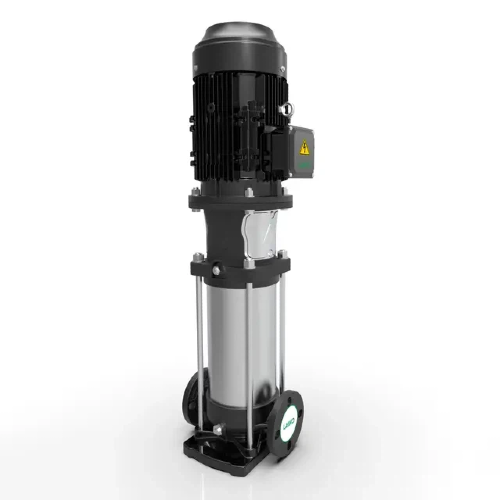
4. Applications of Centrifugal Pumps
Centrifugal pumps are versatile and are used in a wide range of industries and applications. Their ability to move fluids efficiently and generate pressure makes them indispensable in numerous sectors. Let’s explore the different applications of centrifugal pumps.
1. Water Supply and Distribution
Centrifugal pumps play a significant role in municipal water systems, where they are used to transport clean water to homes, businesses, and industries. The pumps ensure a consistent flow of water, maintaining pressure in the distribution lines. They are essential in both large-scale water treatment plants and small-scale rural water supply systems.
Water Treatment: Used to transfer water during the purification process.
Irrigation: Provides a continuous water supply for agricultural fields.
Centrifugal pumps are also used in stormwater management systems, helping to prevent flooding by pumping excess water away from urban areas.
2. Industrial and Chemical Processing
In industrial settings, centrifugal pumps are used to transfer a variety of fluids, including chemicals, oils, and slurries. These pumps are suitable for transporting both clean and dirty fluids in chemical plants, refineries, and manufacturing facilities. They can handle corrosive chemicals, high-temperature fluids, and other challenging materials, making them ideal for the chemical processing industry.
Chemical Transfer: Used for pumping chemicals in the production of pharmaceuticals, plastics, and other chemicals.
Heat Exchange: Facilitate fluid circulation in cooling systems and heat exchangers.
3. Wastewater Management
Centrifugal pumps are widely used in wastewater treatment plants to transport sewage and wastewater for treatment and disposal. They move raw wastewater from collection points to treatment facilities and also pump treated water to final disposal or for reuse.
Sewage Treatment: Pumps wastewater from sewage collection systems to treatment facilities.
Sludge Transfer: Used in the transfer of thickened sludge to disposal or treatment units.
4. Agriculture and Irrigation
In agriculture, centrifugal pumps are used for irrigation and water management. These pumps help supply water to fields and ensure crops receive consistent irrigation. Their ability to move large volumes of water with minimal energy consumption makes them cost-effective solutions for farmers.
Irrigation Systems: Centrifugal pumps transport water from wells or rivers to irrigate crops.
Livestock Watering: Ensure that livestock have access to clean drinking water.
5. Why Centrifugal Pumps Are Essential
Centrifugal pumps are indispensable in many sectors due to their efficiency, cost-effectiveness, and reliability. Their widespread use can be attributed to several key benefits, including:
1. Efficiency
Centrifugal pumps are designed to handle large volumes of fluid with minimal energy consumption. They are capable of maintaining consistent flow rates and pressure levels, even under varying operational conditions. This efficiency leads to significant energy savings, which is crucial for large-scale operations that rely on continuous fluid movement.
2. Cost-effectiveness
Centrifugal pumps are relatively inexpensive to manufacture and maintain compared to other types of pumps. Their simple design, with fewer moving parts, results in lower initial costs and reduced maintenance requirements. Additionally, their energy efficiency helps lower long-term operational costs, making them an economical choice for a variety of industries.
3. Reliability
Centrifugal pumps are known for their reliability in continuous operation. With fewer components subject to wear, they can operate for extended periods without requiring frequent repairs. This reliability is especially crucial in industries where pump failure can result in costly downtime or disruptions in critical processes.
6. How to Choose the Right Centrifugal Pump
Choosing the right centrifugal pump is essential to ensure optimal performance and efficiency. Several factors need to be considered when selecting a pump for a specific application:
1. Application Requirements
The first step in selecting a centrifugal pump is to determine the fluid’s properties (e.g., viscosity, temperature, and chemical composition) and the required flow rate and pressure.
2. Pump Size and Capacity
It’s important to choose a pump that meets the required flow rate without exceeding its capacity. Oversizing the pump can lead to inefficient operation and energy wastage.
3. Operating Conditions
Factors such as operating temperature, fluid characteristics, and system pressure need to be taken into account when selecting the pump material and configuration.
4. Pump Type
There are various types of centrifugal pumps, including single-stage, multi-stage, and vertical/horizontal configurations. The choice depends on the required pressure head and flow conditions.
7. Conclusion
Centrifugal pumps are essential for many industrial and municipal applications, primarily designed to move fluids efficiently by converting mechanical energy into fluid energy. Whether used in water distribution, chemical processing, or wastewater management, these pumps are crucial for ensuring smooth operations in various sectors. Their consistent fluid movement and ability to generate pressure, combined with high efficiency and reliability, make them indispensable in numerous industries.
When properly selected, installed, and maintained, centrifugal pumps deliver long-lasting performance, ensuring effective fluid transfer across a broad range of applications. At Laiko Pump (Zhejiang) Co., Ltd., we specialize in providing high-quality centrifugal pumps tailored to meet your specific needs. With our expertise, we can help you choose the right pump, ensuring optimal performance and efficiency for your system. We invite you to reach out to us for more information or to discuss your requirements, and we’ll guide you toward the best solutions for your application.
8. FAQ
What is the primary purpose of a centrifugal pump?
The main purpose of a centrifugal pump is to move fluids efficiently by generating pressure that allows the fluid to flow through pipes and systems.
How do centrifugal pumps generate pressure?
Centrifugal pumps generate pressure through the impeller, which accelerates the fluid, converting its kinetic energy into pressure energy that drives the fluid through the system.
What types of fluids can centrifugal pumps handle?
Centrifugal pumps are versatile and can handle a wide variety of fluids, including clean water, chemicals, slurries, oils, and wastewater, depending on the pump’s construction and material.
How do you select the right centrifugal pump for an application?
The right centrifugal pump is selected based on the required flow rate, pressure head, fluid type, and operating conditions, ensuring optimal performance for the specific application.


