


Commercial Centrifugal Pumps vs Multistage Pumps
Views: 0 Author: Site Editor Publish Time: 2026-07-18 Origin: Site


Selecting the wrong equipment severely impacts your entire facility. It leads directly to chronic energy inefficiency. Premature mechanical seal failure often follows. Operational expenditure rises rapidly due to unplanned downtime. You must secure the correct fluid architecture. Both main equipment categories rely on basic centrifugal force. However, the fundamental decision remains surprisingly straightforward. Do you need one impeller or multiple impellers? A single impeller defines basic single-stage mechanics. Multiple impellers stacked together operate in strict series.
We provide a strict, application-based framework below. You can use it to evaluate equipment quickly. You will specify the correct architecture confidently. We base these guidelines on Total Dynamic Head (TDH). We also analyze strict system flow requirements. Engineers face intense pressure to optimize mechanical rooms. They must balance performance expectations against tight spatial constraints. You will learn to match mechanical capabilities perfectly. This guide eliminates the guesswork from your procurement process.
Key Takeaways
Single-stage commercial centrifugal pumps are the industry standard for high-flow, low-to-moderate pressure applications (e.g., HVAC cooling towers, general water transfer).
Commercial multistage pumps dominate high-pressure, low-to-moderate flow requirements (e.g., boiler feed, high-rise pressure boosting, reverse osmosis) while offering a significantly smaller physical footprint.
Utilizing multiple single-stage pumps in series is rarely as energy-efficient or space-effective as installing a single, properly sized multistage pump.
Total Cost of Ownership (TCO) should dictate the final decision, weighting upfront capital expenditure against long-term maintenance realities and energy consumption at the Best Efficiency Point (BEP).
Understanding Single-Stage vs Multistage Architecture
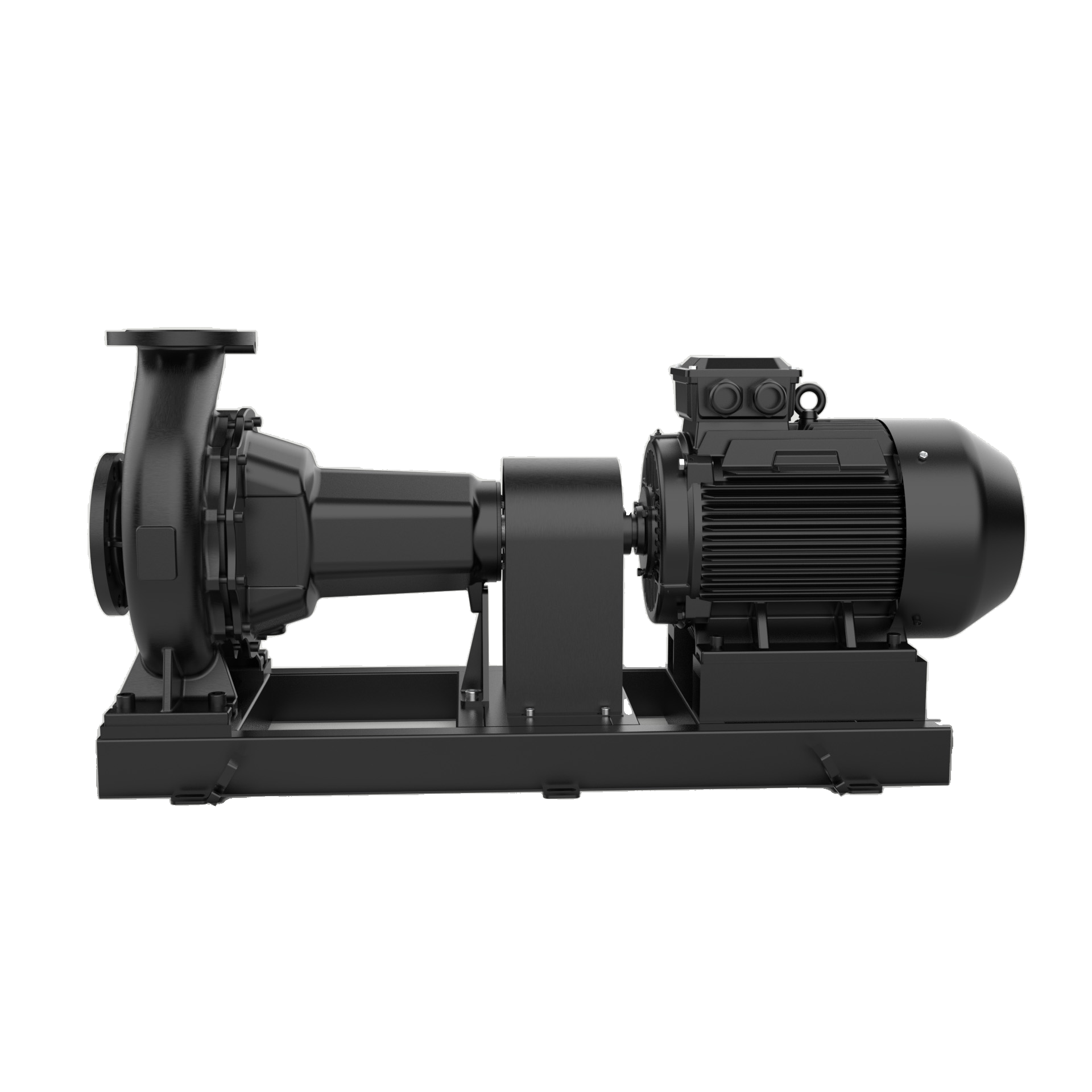
A single-stage commercial centrifugal pump relies entirely on one impeller. This impeller spins inside a dedicated volute casing. This basic mechanical action generates fluid flow. It also builds system pressure. Liquid enters the center eye. The spinning impeller throws the liquid outward rapidly. This outward movement creates intense kinetic energy. The volute casing converts this kinetic energy into measurable pressure. Expanding pressure capabilities poses distinct physical challenges. You must increase the internal impeller diameter. Alternatively, you must increase the rotational speed. Both options introduce severe physical space limitations. They also create diminishing efficiency returns. A massive impeller demands a bulky, heavy casing. High rotational speeds increase destructive wear on internal bearings.
We must contrast this approach against commercial multistage pumps. These units employ multiple impellers simultaneously. Manufacturers stack them on a single continuous shaft. You typically see a vertical alignment in modern facilities. Water passes sequentially from one specific stage to the next. The system compounds pressure continuously. It maintains a highly consistent flow rate throughout the process. The first stage builds foundational base pressure. The second stage multiplies it further. This compounding continues through every subsequent stage. You achieve incredibly high pressure outputs eventually. You completely avoid using aggressively oversized motors. You also eliminate massive, heavy cast-iron casings. The mechanical load distributes evenly across multiple smaller stages. This ensures smoother overall operation.
Core Evaluation Dimensions for Commercial Water Pumps
Selecting Commercial Water Pumps requires analyzing several strict dimensions. Performance curves dictate the fundamental capabilities. Single-stage models excel at moving massive volumes rapidly. They deliver high gallons per minute (GPM). They do this efficiently at lower pressures. Their performance curve remains relatively flat. Multistage models behave quite differently under load. They overcome severe vertical distance easily. We call this high Total Dynamic Head (TDH). They handle extreme system resistance perfectly. They do not lose critical flow stability. You can push water up a fifty-story high-rise building. The flow rate remains remarkably constant.
Facility footprint presents another massive constraint. Floor space matters immensely in commercial buildings. Single-stage horizontally split-case units require substantial floor space. They need dedicated room for the primary pump casing. They also need space for the motor and a rigid baseplate. Extensive piping layouts consume even more valuable real estate. Vertical multistage configurations offer a distinct structural advantage. They use a mere fraction of the horizontal footprint. This proves absolutely critical for crowded mechanical rooms. It also simplifies complex older building retrofits.
Energy efficiency drives modern procurement decisions heavily. Multistage models frequently operate much closer to their Best Efficiency Point (BEP). They achieve this effectively in high-pressure scenarios. This proximity dramatically reduces wasted electrical energy. Both architectures integrate exceptionally well into Variable Frequency Drive (VFD) systems. VFDs optimize motor speeds dynamically. However, multistage designs offer much finer pressure control. You see this advantage clearly in variable demand systems. High-rise domestic water systems benefit greatly from this precise control.
Maintenance complexity affects your long-term operational plans. Single-stage systems feature considerably simpler internal mechanics. Technicians enjoy easier physical access for routine maintenance. These units contain fewer moving parts subject to severe shaft deflection. Maintenance teams can rebuild them relatively quickly. Multistage setups demand highly precise shaft alignment. You must strictly adhere to clean-water requirements. They exhibit high susceptibility to abrasive wear. Rebuild procedures are noticeably more complex. Technicians need specialized tools for proper stage assembly.
Pump Architecture Comparison Chart
Evaluation Dimension | Single-Stage Architecture | Multistage Architecture |
|---|---|---|
Flow Capacity (GPM) | Exceptionally high volume capabilities. | Low to moderate steady volume capabilities. |
Pressure Output (TDH) | Low to moderate pressure limitations. | Exceptionally high pressure compounding. |
Facility Footprint | Requires large horizontal floor space. | Minimal vertical footprint design. |
Maintenance Complexity | Simple rebuilds; highly accessible internals. | Complex rebuilds; requires tight tolerances. |
Solution Mapping: Matching Pump Type to Facility Applications
We recommend specific architectures for distinct facility environments. Chilled water loops rely heavily on single-stage models. Condenser water loops in commercial HVAC systems also use them exclusively. High-volume municipal water distribution requires their massive flow capabilities. They handle wastewater and sewage handling exceptionally well. They offer excellent solids tolerance. You do not worry about minor debris destroying the internals. The larger internal clearances pass suspended solids easily.
Conversely, specific applications demand multistage solutions desperately. Boiler feed systems require them without question. These specific systems demand extreme pressure. They must overcome immense internal steam pressure safely. High-rise commercial building pressure boosting relies on them completely. Domestic water must reach the top floor consistently. Industrial reverse osmosis requires immense pressure to function. Filtration systems use them to force water through dense membranes. commercial centrifugal pumps configured in multiple stages dominate these high-resistance sectors.
Engineers often debate a common piping workaround. They sometimes pipe two single-stage units in series. They do this to achieve higher system pressure artificially. This method creates acceptable mechanical redundancy. It also offers a viable temporary fix during emergencies. However, a dedicated multistage unit performs significantly better. It provides noticeably lower initial installation costs. It introduces fewer mechanical failure points. You gain superior overall hydraulic efficiency. Avoid piping basic units in series permanently. It wastes electrical energy and valuable floor space.
Application Matching Best Practices:
Map your exact pressure requirements before selecting an architecture.
Specify single-stage units whenever suspended solids are present.
Deploy vertical multistage units for RO membranes and boiler feeds.
Avoid series-piping workarounds for permanent facility installations.
Implementation Risks and Lifecycle Considerations
Failing to calculate Net Positive Suction Head (NPSH) destroys equipment quickly. You must compare NPSH available (NPSHa) against NPSH required (NPSHr). Calculation mistakes lead directly to severe internal cavitation. Cavitation pits the metal components aggressively. Multistage units in high-temperature applications face extreme physical risks. Boiler feeds are highly vulnerable to these specific failures. If inlet pressure drops unexpectedly, the fluid boils instantly. Expanding vapors destroy the initial impeller stages completely. You must guarantee adequate inlet pressure always.
High-pressure setups generate significant axial thrust loads. The spinning impellers push forcefully against the fluid flow. Ensure your specified equipment features adequate thrust-bearing designs. Some leading manufacturers use internal balancing drums. These specific mechanisms counteract the intense axial forces effectively. Without them, motors suffer premature bearing failure rapidly. You will replace bearings constantly. Verify thrust mitigation strategies during the specification phase.
Operating below safe continuous flow is incredibly dangerous. It causes rapid thermal expansion inside the metal casing. Catastrophic mechanical seal failure follows almost immediately. We call this destructive condition deadheading. Minimum flow bypass lines are absolutely mandatory. High-head multistage systems require these safety bypass lines constantly. They keep fluid moving continuously. This movement dissipates dangerous heat accumulation. Never run these systems against a completely closed discharge valve.
Water quality presents another strict operational constraint. Multistage designs feature extremely tight internal mechanical clearances. They simply cannot tolerate dirty or abrasive fluids. Introducing suspended particulates causes rapid efficiency degradation. Abrasive fluids destroy internal hydraulic efficiency permanently. Internal components seize up completely under these conditions. You must guarantee total fluid cleanliness. Always use high-quality inline strainers before the suction inlet. Protect your investment proactively.
Shortlisting Logic and Procurement Next Steps
Start your procurement process by defining system requirements strictly. Calculate the exact Total Dynamic Head (TDH) accurately. Determine your precise required flow rate (GPM). Do this before ever reviewing manufacturer catalogs. Guessing leads directly to poor mechanical sizing. Undersized units fail to deliver adequate pressure. Oversized units waste massive amounts of electricity. They also suffer from severe vibrational damage over time.
Evaluate your expected operating conditions thoroughly. Document every specific fluid characteristic meticulously. Note the exact maximum fluid temperature. Record the precise specific gravity. Identify any potential presence of suspended solids. These specific details dictate mandatory materials of construction. Hot fluids require specialized elastomer seals. Corrosive fluids demand stainless steel impellers. Do not overlook these critical environmental factors.
Analyze the projected lifecycle impacts carefully. Factor in the upfront capital equipment cost. Evaluate the overall installation complexity. Project the energy consumption at your intended duty cycle. Estimate the necessary maintenance intervals realistically. Consider the mechanical seal replacement frequency. Balance initial purchase costs against lifetime energy usage. Energy consumption usually dominates long-term expenditure.
Apply strict vendor selection criteria before purchasing. Require certified performance curves from the manufacturer. Prove the operation remains within 10% of the Best Efficiency Point (BEP). Demand localized service network availability. Ensure they guarantee replacement parts lead times in writing. A great machine fails without proper regional support. Your facility cannot tolerate extended unexpected downtime. Choose partners offering robust technical backing.
Conclusion
Choosing between these distinct architectures is never a matter of preference. It remains a strict engineering mandate. System head requirements dictate the fundamental choice. Flow demands and footprint constraints finalize it. Follow these actionable next steps:
Base your initial selection strictly on calculated TDH and flow requirements.
Prioritize vertical multistage designs whenever mechanical room floor space remains tight.
Engage a qualified application engineer to verify your exact NPSH calculations.
Finalize your purchase order only after confirming strict BEP alignment.
Install protective inline strainers to prevent catastrophic internal abrasive wear.
FAQ
Q: Can a single-stage commercial centrifugal pump generate the same pressure as a multistage pump?
A: It is theoretically possible but highly impractical. Achieving extremely high pressure requires massive impellers and aggressively oversized motors. This design choice sacrifices hydraulic efficiency completely. It also consumes excessive horizontal floor space. Multistage setups generate high pressure much more efficiently. They distribute the mechanical load across several smaller impellers.
Q: Are commercial multistage pumps more expensive to maintain?
A: Rebuilds require more skilled labor and significantly tighter internal tolerances. However, operating a properly specified multistage unit at its Best Efficiency Point reduces wear. It often yields fewer overall mechanical failures compared to forcing a basic single-stage unit to constantly overperform. Proper application reduces lifetime maintenance frequency.
Q: Can I use a multistage pump for wastewater or slurries?
A: No. Multistage models rely on extremely tight internal clearances to build pressure. Introducing particulates, solids, or abrasive slurries causes rapid internal wear. They will clog quickly. Clean fluid is an absolute necessity. You must prevent internal seizing and catastrophic mechanical failure by ensuring water quality.
Q: How do VFDs impact multistage pump selection?
A: Variable Frequency Drives maximize energy savings perfectly. They excel in variable-demand applications like high-rise water boosting. However, you must carefully program VFD parameters. Minimum flow limits must remain strictly enforced. Dropping below minimum flow causes rapid thermal expansion. This damages internal seals and destroys bearings quickly.


