


Commercial Inline Pumps for HVAC Water Circulation
Views: 0 Author: Site Editor Publish Time: 2026-07-25 Origin: Site


Fluid handling stands as the beating heart of building energy consumption. Reliable fluid movement guarantees consistent occupant comfort across vast facility layouts. Poorly designed networks drain power heavily and frustrate facility managers daily. You should never view equipment selection as a simple one-time purchase. Instead, it represents a strict, long-term commitment. Subpar choices aggressively inflate operational overhead immediately. They increase maintenance burdens constantly and compromise overall system reliability. Properly specified Commercial Water Pumps solve many severe spatial challenges. They offer streamlined maintenance routines for facility engineers. Tight mechanical room space severely complicates traditional installations today. We will explore objective criteria for evaluating these critical assets. You will learn how to implement them successfully within complex climate control networks. This guide provides a clear path to optimizing your mechanical layout. You can maximize long-term hydraulic performance effectively through careful planning.
Key Takeaways
Inline pump designs drastically reduce mechanical room footprint by utilizing the piping system for structural support.
The choice between close-coupled and split-coupled inline pumps directly impacts long-term maintenance costs and seal replacement downtime.
Variable Frequency Drive (VFD) compatibility and wire-to-water efficiency are primary drivers for meeting modern ASHRAE compliance and ROI targets.
Successful implementation requires strict adherence to pipe-hanging standards to prevent casing stress and premature mechanical failure.
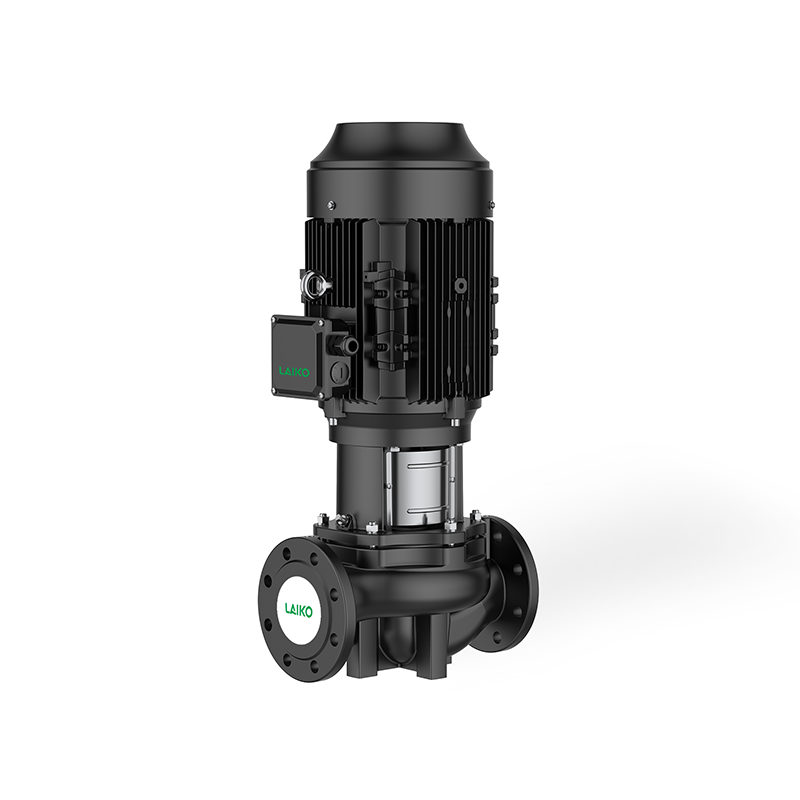
Framing the Decision: Why Commercial Inline Pumps?
We must clearly understand the baseline problem first. Traditional base-mounted end-suction models eat up massive floor space. They require poured concrete housekeeping pads for basic stability. Installers must align them perfectly using expensive laser tools. Complex piping configurations surround these traditional units constantly. You often see multiple elbows and massive flexible connectors. This geometry creates a large, cluttered mechanical footprint. Facility managers struggle to navigate these cramped rooms safely. Routine inspections become difficult due to restricted physical access.
The inline solution changes this dynamic completely. These units mimic standard isolation valves in their physical geometry. You mount them directly into the primary pipeline. They utilize vertical space highly efficiently. This intelligent setup frees up precious floor area immediately. Mechanical engineers love this configuration for modern high-density buildings. It simplifies complicated piping layouts dramatically. Installers save days of intensive physical labor. You avoid pouring heavy concrete bases entirely. The piping itself acts as the primary foundational support.
However, you must establish clear success criteria early. Does an inline setup align seamlessly with your physical constraints? Evaluate your installation budget thoroughly before making purchasing decisions. Consider your lifetime maintenance capabilities and available staff resources. Small mechanical rooms benefit immensely from this vertical design. Yet, severe limitations exist regarding maximum flow capacities. Massive flow requirements sometimes disqualify standard inline models completely. Double-suction split-case units remain mandatory for extreme water volumes. Acknowledge these boundaries early during the design phase. You will prevent costly engineering redesigns later.
Evaluating Solution Categories: Types of Commercial Inline Pumps
Close-Coupled vs. Split-Coupled Designs
You will choose between two primary mechanical arrangements. Close-coupled units feature a simplified single-shaft design. The motor shaft connects directly to the rotating impeller. They offer a significantly lower upfront purchase cost. Their compact footprint saves maximum space in tight corridors. However, serious operational drawbacks exist regarding routine serviceability. Maintenance technicians dislike them for a very specific reason. You must remove the entire heavy motor completely. This action exposes the mechanical seal for replacement.
This requirement demands heavy lifting equipment or overhead cranes. It prolongs system downtime during critical heating or cooling seasons. Split-coupled designs solve this exact maintenance problem beautifully. They utilize a rigid coupling between two distinct shafts. The motor shaft and pump shaft remain physically independent. This arrangement allows fast mechanical seal replacement routinely. You leave the heavy motor bolted securely in place. Technicians simply remove the lightweight coupling housing.
This capability proves critical for minimizing unscheduled downtime. Fast repairs ensure reliable climate control for building occupants. The primary trade-off involves slightly higher initial capital costs. You also need slightly more vertical clearance above the unit. Most facility managers accept this trade-off gladly. The massive reduction in future labor costs justifies the investment.
Single-Stage vs. Multi-Stage Configurations
We must match configurations directly to exact application needs. Single-stage models handle most standard commercial building requirements easily. They move fluid efficiently through low-rise heating boiler loops. A single rotating impeller provides sufficient pressure for these tasks. They operate quietly and demand minimal routine maintenance.
Multi-stage units tackle extreme head pressure scenarios effectively. High-rise chilled water risers demand them absolutely. Multiple stacked impellers generate massive vertical lift capabilities. Fluid travels sequentially from one impeller into the next. Each stage increases the internal pressure exponentially. Analyze your building height carefully during the selection phase. Match the staging configuration to your specific vertical pressure demands. Using a single-stage model for high-rise lifts causes immediate failure.
Design Comparison Chart
Feature Category | Close-Coupled Design | Split-Coupled Design |
|---|---|---|
Shaft Configuration | Single shared shaft | Two independent shafts |
Initial Cost | Lower capital expense | Higher capital expense |
Seal Maintenance | Requires full motor removal | Motor remains installed |
Space Requirement | Highly compact footprint | Requires added vertical clearance |
Downtime Risk | High during seal failures | Low due to fast access |
Core Evaluation Dimensions for an Inline Circulation Pump
Selecting a commercial inline pumps system requires rigorous engineering logic. You must analyze multiple technical dimensions simultaneously. Ignoring any single factor compromises the entire installation.
Hydraulic coverage dictates overall mechanical performance fundamentally. We must analyze the manufacturer performance curve accurately. You balance Gallons Per Minute (GPM) against Total Dynamic Head (TDH). Engineers often oversize equipment purposely during design phases. They fear falling short on peak summer load days. This common mistake wastes massive amounts of electrical energy. It pushes the unit off its Best Efficiency Point (BEP). Operating off-curve increases internal mechanical wear drastically. Bearings fail prematurely under unbalanced hydraulic loads. Seals leak constantly due to shaft deflection. Size the equipment precisely for actual measured loads.
Energy efficiency relies heavily on modern motor technology. Assess Electronically Commutated Motors (ECM) carefully. They outperform standard induction motors effortlessly across all loads. Part-load efficiency matters most in variable flow setups. Integrate a Variable Frequency Drive (VFD) always. VFDs slow the motor smoothly during low-demand periods. This integration slashes daily electricity usage dramatically. It extends the mechanical lifespan of the entire unit.
Material construction directly impacts longevity and fluid safety. Assess your specific loop type first. Closed-loop chilled or hot water systems forgive standard materials. Cast iron volutes work perfectly here. Open-loop condenser water systems act aggressively over time. They introduce airborne oxygen and corrosive atmospheric contaminants. Stainless steel or bronze components survive these conditions much better. You must also navigate modern legal compliance laws carefully. The Department of Energy enforces strict minimum efficiency rules. Verify the Pump Efficiency Index (PEI) rating immediately. Non-compliant models face regulatory rejection during local inspections.
Maintainability should drive your final equipment selection heavily. Evaluate lifting lug placements carefully before approving submittals. Ensure mechanical seal accessibility remains completely unobstructed. Prioritize standard off-the-shelf parts always over custom components. Proprietary components trap you into expensive long-term service contracts. They delay urgent repairs for weeks during supply shortages. Open architecture designs protect your operational timeline effectively. You can source replacement parts locally from multiple vendors. This strategy keeps your HVAC water circulation active continuously.
Implementation Realities and Rollout Risks
Even the best equipment fails during poor installation procedures. Pipe strain represents the absolute most common failure point. Flanges must never bear any structural weight. The surrounding piping system needs completely independent physical support.
We enforce strict requirements for engineered pipe hangers. You must install calibrated spring hangers or robust clevis mounts. These external supports carry the heavy piping load securely. The casing cannot act as a rigid pipe stand. Casing stress warps internal clearances rapidly under pressure. This distortion causes catastrophic mechanical failure within months. You can detect pipe strain easily during commissioning. Technicians loosen the flange bolts slightly. They observe if the mating pipe springs away forcefully. A springing pipe indicates severe unresolved mechanical tension.
Condenser water applications present unique environmental challenges. Using inline models here requires extreme caution. Open cooling towers collect airborne dirt constantly. They breed biological growth aggressively under direct sunlight. Hard water forms thick scale inside the volute rapidly. You must manage cooling tower debris proactively. Install heavy-duty suction diffusers or upstream strainers. Implement strict chemical water treatment protocols weekly. These steps prevent premature internal impeller degradation.
Vibration and acoustic management demand a totally new strategy. You eliminated the massive concrete inertia base purposely. Traditional base-mounted setups rely heavily on this concrete mass. It absorbs rotational vibration effortlessly. Inline units shift this vibration directly into the piping network. You must adapt your isolation tactics immediately. Install resilient spring hangers near the equipment flanges. Use specialized acoustic insulation on adjacent metal pipes. This prevents frustrating humming noises in occupied office spaces.
Let us dispel a persistent dangerous industry myth now. Many technicians believe inline units require zero alignment checks. They assume the rigid piping guarantees perfect internal alignment automatically. This false assumption ruins expensive bearings frequently. You still face critical alignment truths during commissioning. Transport shocks and installation stresses shift internal components easily. Technicians must perform a final alignment verification manually. They check the coupling tolerances strictly before applying electrical power. This simple step prevents instant mechanical destruction upon startup.
Shortlisting Logic and Next Steps
Transitioning from evaluation to procurement requires strict financial discipline. We must look beyond the initial retail purchase price. You need a comprehensive operational analysis approach.
Focus heavily on long-term energy expenditure tracking. Create a strict framework for comparing initial upfront costs. Weigh them against a 10-year electrical energy consumption projection. Calculate projected mechanical maintenance labor hours meticulously. A cheaper standard motor often consumes massive electricity over time. Premium efficiency models command much higher initial prices upfront. However, they offset this premium through daily power savings. Evaluate these performance metrics side-by-side transparently.
Supplier and manufacturer vetting protects your capital investment. Examine the engineering submittal data ruthlessly. Demand certified performance curves directly from the factory floor. Verify Net Positive Suction Head (NPSH) requirements carefully. Insufficient NPSH causes highly destructive internal cavitation. Review motor efficiency ratings against local utility rebate programs. Trustworthy suppliers provide transparent, third-party tested data willingly.
Follow concrete next-step actions to ensure project success. Transition smoothly from product evaluation to formal engineering specification. Consult with experienced MEP engineers proactively. They verify complex system hydraulics accurately. Do this before issuing any binding purchase orders. Reviewing inline circulation pump specifications saves immense time later. Ensure electrical requirements match your existing mechanical room panels. Verify physical dimensions against tight doorways and narrow corridors.
Implement a structured review checklist for your team:
Verify the system operating point matches the BEP closely.
Confirm the selected motor includes VFD-compatible internal grounding rings.
Check the maximum allowable working pressure of the casings.
Ensure the maintenance staff possesses the correct lifting equipment.
Review the local availability of standard mechanical replacement seals.
Conclusion
Specifying heavy equipment requires balancing physical room constraints gracefully. You must also prioritize long-term serviceability and efficiency. Following structured engineering evaluation methods guarantees project success.
Always verify structural pipe supports before finalizing any installation.
Match the motor technology strictly to your specific operational loads.
Prioritize split-coupled designs heavily to simplify future mechanical maintenance.
Demand VFD-compatible motors absolutely to maximize electrical energy efficiency.
Consult MEP professionals early to validate complex hydraulic conditions.
We highly recommend prioritizing split-coupled, VFD-compatible units generally. They serve modern commercial heating and cooling applications best. You maximize operational value easily using this specific configuration. You eliminate frustrating maintenance bottlenecks entirely. Proper selection guarantees decades of reliable climate control.
FAQ
Q: What is the average lifespan of a commercial inline circulation pump?
A: A high-quality commercial model typically lasts between 15 and 20 years. This lifespan depends heavily on consistent preventative maintenance. Excellent fluid quality and proper chemical treatment extend longevity. Operating strictly near the Best Efficiency Point also prevents premature bearing failure.
Q: Can inline pumps be mounted horizontally and vertically?
A: Orientation depends entirely on the specific manufacturer specifications. Many smaller models allow both horizontal and vertical mounting safely. However, larger motors often require strict vertical orientation. Horizontal mounting of large motors causes uneven bearing wear and poor internal lubrication.
Q: How does an inline pump differ from a base-mounted end-suction pump?
A: An inline model sits directly within the piping network. It requires minimal floor space and eliminates complex elbows. A base-mounted unit requires a massive poured concrete foundation. It demands rigid laser alignment and consumes significantly more mechanical room floor area.
Q: Do vertical inline pumps require inertia bases?
A: They typically do not require concrete inertia bases. Their intelligent design relies entirely on engineered pipe hangers for structural support. This approach saves massive weight and installation time. However, you must install specialized vibration-isolating hangers to prevent noise transmission.


