


Water Supply and Drainage Pumps for Commercial Plazas
Views: 0 Author: Site Editor Publish Time: 2026-10-19 Origin: Site


Operating a modern commercial plaza requires seamless orchestration of critical, unseen utilities. Fluctuating daily foot traffic, expansive retail floors, and intensive food service operations demand absolute reliability. You simply cannot afford plumbing failures in these dynamic mixed-use environments. Water supply and drainage pumps operate constantly to keep the facility functioning smoothly.
Selecting these systems goes far beyond a simple hardware acquisition. It represents a foundational facility infrastructure decision. Your equipment choices directly impact daily tenant satisfaction and strict building energy compliance. Poor system design inevitably triggers catastrophic operational bottlenecks, hygiene hazards, and severe regulatory penalties. Every component must align perfectly with your building demands.
This guide provides an objective, criteria-based framework to help facility directors and MEP engineers evaluate these complex systems. You will learn how to match specific pump architectures to exact commercial plumbing scenarios. We outline the actionable insights you need to confidently shortlist and specify robust, high-performance infrastructure solutions. You can eliminate mechanical guesswork entirely.
Key Takeaways
System Segmentation: Commercial plazas require strictly segregated solutions—high-efficiency boosters for clean water delivery and robust solids-handling units for wastewater.
TCO Over CapEx: Pump acquisition accounts for only 10-15% of its total lifecycle cost; energy consumption and maintenance dictate actual long-term value.
Matching Pump to Purpose: A vertical multistage pump for water supply maximizes mechanical room space, while a submersible sewage pump is non-negotiable for below-grade restaurant waste lifting.
Redundancy is Mandatory: N+1 system design prevents catastrophic tenant disruption during routine maintenance or unexpected seal failures.
Diagnosing Pumping Requirements in Mixed-Use Plazas
Mixed-use plazas present highly distinct engineering hurdles compared to standard residential buildings. Heavy water usage in bustling food courts creates extreme daily usage spikes. Commercial dishwashers and continuous kitchen prep demand high-volume flows. Meanwhile, standard retail floors maintain steady but significantly lower demand. These contrasting tenant requirements create complex peak and off-peak demand curves. Facility managers must navigate these volatile usage patterns perfectly every single day.
What defines a successful commercial pump implementation? We measure operational success through specific, quantifiable outcomes. You must achieve these baseline goals to protect your infrastructure.
You achieve consistent high-rise pressure across all building levels during morning peaks.
You guarantee zero wastewater backups in below-grade facilities and parking structures.
You realize a measurable reduction in energy draw across plumbing networks.
You eliminate structural noise transmission into premium leasable spaces entirely.
Mechanical rooms in high-density commercial real estate face severe space limitations. Developers prioritize maximizing leasable square footage over expanding utility spaces. This structural reality creates a challenging space versus output dilemma. Engineers constantly battle to fit high-capacity systems into cramped basement corridors. You must perform a strict footprint-to-output evaluation before selecting any equipment. Every square inch of your mechanical room directly affects facility logistics.
Evaluating Clean Water Supply Solutions
Clean water delivery serves as the lifeblood of any commercial plaza. Let us examine the optimal equipment for pressure boosting tasks. A vertical multistage pump for water supply delivers the exceptional high-head capabilities necessary for multi-story buildings. Its vertical alignment creates a drastically smaller horizontal footprint. This clever design frees up critical floor space inside cramped mechanical rooms. Multi-stage impellers build immense pressure efficiently as water travels upward through each chamber. Pairing these units with Variable Frequency Drives (VFDs) ensures optimal energy usage during low-demand nighttime hours. You get maximum pressure exactly when tenants need it most.
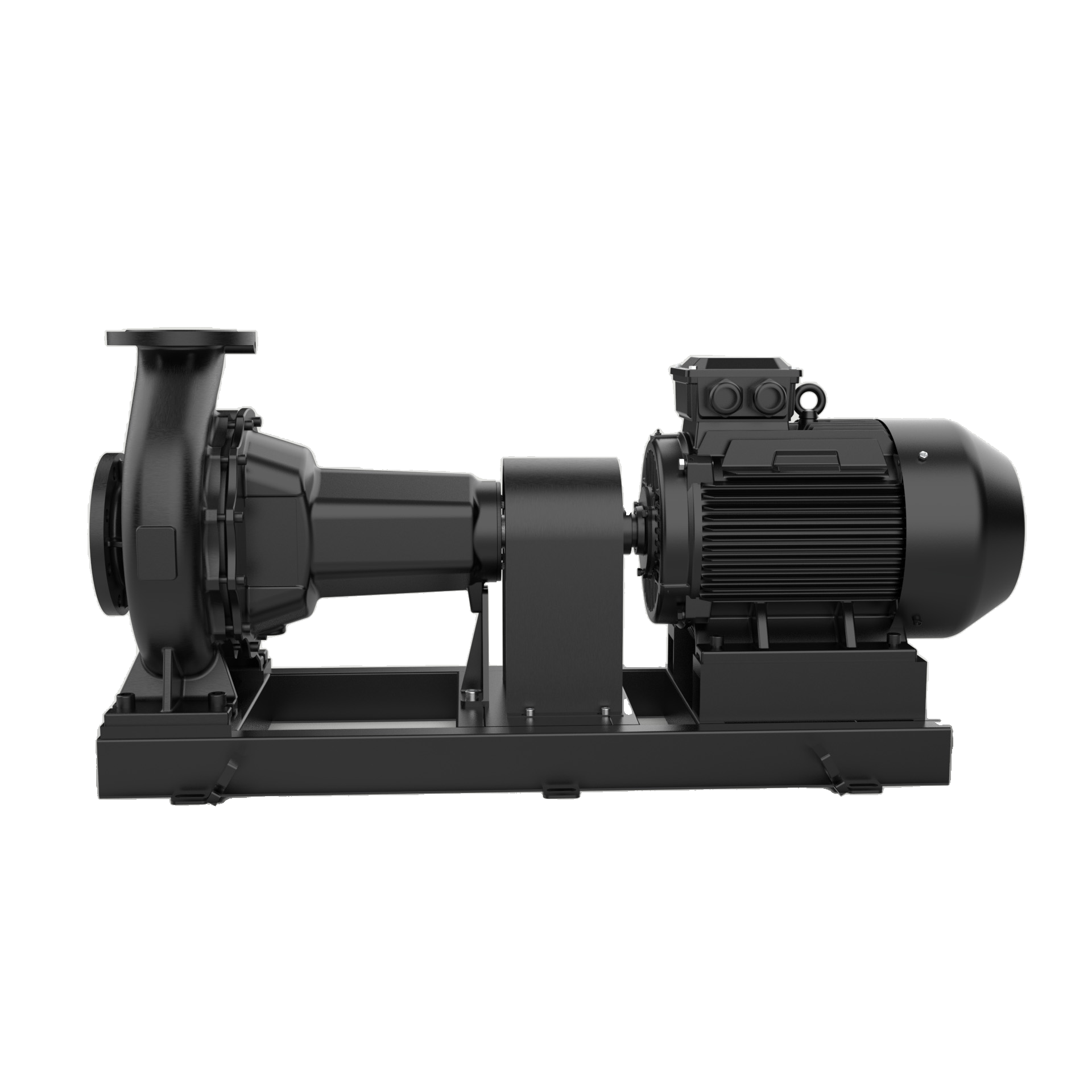
Some plumbing applications require massive flow volumes rather than extreme pressure. A standard end-suction centrifugal pump excels in these moderate-head scenarios. We deploy them frequently for HVAC cooling tower circulation tasks. They also handle bulk water transfer to rooftop holding tanks perfectly. Facility crews heavily favor its back-pull-out design. This engineering choice simplifies routine maintenance tasks immensely. Technicians can inspect the internal impeller without disconnecting the primary piping network. Furthermore, you can easily source standardized replacement parts globally.
To clarify the selection process, evaluate these clean water options based on specific operational outcomes. The table below maps feature sets to actual commercial benefits.
Clean Water Pump Features-to-Outcomes Comparison
Pump Architecture | Footprint Impact | Vibration & Noise Profile | Ideal Commercial Application |
|---|---|---|---|
Vertical Multistage | Minimal horizontal space | Low to moderate noise | High-rise pressure boosting |
Standard End-Suction | Moderate to large footprint | Moderate noise levels | HVAC cooling and bulk transfer |
Managing Wastewater: Drainage and Solids-Handling Capabilities
Wastewater extraction requires entirely distinct engineering approaches. Commercial lift stations rely heavily on incredibly robust equipment to prevent biohazards. A submersible sewage pump is completely non-negotiable for these critical infrastructure nodes. You absolutely need them for below-grade parking levels. They integrate seamlessly into complex food court grease interceptors. Gravity alone cannot remove waste from deep subterranean basements. You must artificially lift the effluent to the municipal sewer lines.
Commercial-grade waste poses severe daily clogging threats. Fibrous materials, plastics, and heavy organic solids constantly enter the plaza drainage system. Your specific effluent profile must dictate your impeller design choices. Choosing the wrong impeller guarantees frequent plumbing emergencies.
Vortex Impellers: These create a rapid whirlpool effect to pass stringy sanitary waste without snagging the internal mechanics.
Grinder Impellers: These units macerate tough solids from restaurant kitchens into fine, manageable slurries.
Cutter Impellers: These sharply slice through fibrous materials to protect downstream piping from stubborn blockages.
Equipment reliability directly dictates your daily maintenance approach. Plazas cannot afford messy, hazardous pump retrievals during busy operating hours. You should always specify dual-mechanical seals to protect internal motors from fluid ingress. Moisture detection sensors provide critical early warnings before catastrophic electrical failure occurs. Guide-rail systems allow completely safe, non-invasive unit retrieval. Technicians can pull the equipment upward along the rails without ever draining the dangerous containment pit.
Performance Lifecycle and Efficiency Standards
Equipment performance and maintenance labor dictate the true systemic value over a standard 10-to-15-year lifecycle. Initial procurement represents only one minor phase of the equipment journey. Ongoing energy consumption drives the actual long-term environmental footprint and operational efficiency. You must evaluate systems based on long-term sustainability rather than just immediate availability.
Current industry benchmarks set strict performance baselines for modern commercial buildings. We advise following Hydraulic Institute standards and local municipal energy codes carefully. Integrating VFDs yields substantial operational returns by matching motor speed exactly to actual tenant demand. Specifying premium-efficiency IE3 or IE4 motors further drives down baseline electrical consumption. You achieve optimal hydraulic performance without sacrificing mechanical reliability. Efficient systems run cooler and ultimately last longer.
Maintenance accessibility directly influences your daily service efficiency. You must actively assess how easily technicians can service the installed equipment. Do routine inspection tasks require expensive, specialized OEM technicians? Standard facility maintenance staff should handle basic mechanical seal and bearing replacements easily. Highly accessible hardware designs minimize system downtime during crucial plaza operating hours. Complex maintenance routines inevitably lead to deferred service and subsequent mechanical failures.
Implementation Risks, Compliance, and Redundancy
Retrofitting new equipment into existing plumbing frameworks introduces severe mechanical risks. Unmanaged pipe stress often causes premature mechanical seal failure. Minor structural alignment issues destroy heavy-duty couplings surprisingly quickly. Poor suction piping design leads directly to dangerous cavitation risks inside the pump volute. Cavitation literally pits and destroys metal impellers over time. You must evaluate the existing infrastructure meticulously before attempting any mechanical installation.
Noise and vibration control actively protect high-value tenant spaces above the mechanical room. Structural noise transmission easily ruins premium retail boutiques or quiet office environments. We mandate strict mechanical dampening strategies for all basement installations. Concrete inertia bases absorb aggressive low-frequency motor vibrations effectively. Flexible elastomeric connectors isolate aggressive pipe movement from the rigid building structure. Proper isolation keeps mechanical rooms virtually silent to the floors above.
Building codes heavily regulate commercial plumbing infrastructure across all regions. Total compliance remains strictly mandatory across all municipal jurisdictions. Commercial standards typically require duplex or triplex alternating pump configurations. This mandatory N+1 redundancy guarantees completely uninterrupted service. If one primary unit fails, the backup immediately takes over the hydraulic load. You prevent catastrophic tenant disruption entirely while waiting for replacement parts.
Shortlisting and Vendor Evaluation Framework
Specify your hydraulic requirements meticulously before contacting suppliers. Prepare a highly detailed Request for Proposal (RFP) to guide potential manufacturing partners. Vague specifications lead directly to poor equipment sizing and premature mechanical failure. You must provide concrete data.
Exact duty points mapping peak flow rates and required head pressure.
Comprehensive fluid characteristics including temperature and expected solid sizes.
Strict physical footprint constraints detailing mechanical door widths and ceiling heights.
Preferred electrical voltage and control panel integration protocols.
Assess vendor capabilities far beyond the physical hardware alone. Superior hardware does not guarantee long-term operational success. Evaluate potential vendors on local replacement parts availability. Demand concrete, written commitments for emergency service response times. Ask vendors if they provide extended lifecycle warranties for heavy commercial usage. Strong localized vendor support minimizes operational anxiety significantly. You need a partner, not just a supplier.
We strongly recommend distinct next-step actions before any procurement. Conduct a comprehensive plumbing system audit first. Engage a certified hydronic engineer to evaluate your exact facility needs. They independently validate your calculated duty points and review your structural constraints. Never finalize large procurement decisions without independent engineering validation. This extra step prevents massively expensive installation errors.
Conclusion
Optimizing commercial plumbing infrastructure requires balancing immediate spatial constraints with long-term energy efficiency. The correct system architecture protects your building from daily mechanical disruptions. Specify exact pump geometries and impeller types to minimize catastrophic facility downtime. Always ensure your wastewater setups match the exact effluent profile of your tenant mix.
Mandate N+1 redundancy protocols across all critical fluid-handling applications to protect tenant operations. We strongly recommend initiating a comprehensive plumbing system audit today. Engage qualified MEP engineers to review your existing mechanical rooms. Proactive assessment protects your infrastructure investment permanently.
FAQ
Q: What is the typical lifespan of commercial water supply and drainage pumps?
A: Lifespans vary heavily based on daily usage and maintenance adherence. You can expect a submersible sewage pump to last 10 to 15 years in commercial setups. A standard end-suction centrifugal pump often exceeds 20 years. Consistent preventative maintenance and managed fluid quality directly dictate these operational timelines.
Q: Why do water supply systems in commercial plazas require VFDs?
A: Variable Frequency Drives adjust the motor speed to match fluctuating real-time demand. Commercial plazas experience massive demand shifts between busy daytime hours and empty nights. VFDs slow the motor down during off-peak periods. This action saves significant electrical energy and vastly reduces internal mechanical wear.
Q: How often should a submersible sewage pump in a retail plaza be inspected?
A: You must follow an evidence-based maintenance schedule. We recommend quarterly visual inspections of the control panels and pit levels. You should also perform an annual physical lift of the unit. During this lift, technicians must inspect wear-rings and mechanical seals to prevent emergency backups.
Q: Can I replace an end-suction pump with a vertical multistage pump?
A: Vertical pumps save tremendous mechanical room space. However, swapping them requires careful engineering validation. You must verify the new vertical pump can handle your existing high-flow requirements. Technicians must also adapt the piping configuration safely to prevent suction cavitation or pipe stress during operation.


